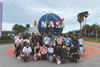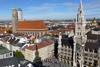

Vicky Bennett from Cottingham High School reflects on an immersive visit to the Rhine region of Germany.
I have been running this trip for a number of years, adapting it for the needs and interests of the particular cohort. Learning objectives included giving pupils exposure to the German language in a real-life context of course, but also some of those involved had never even been abroad before so it was also about experiencing life and culture in Germany.
A jam-packed itinerary: Rüdesheim, Cologne and Cochem
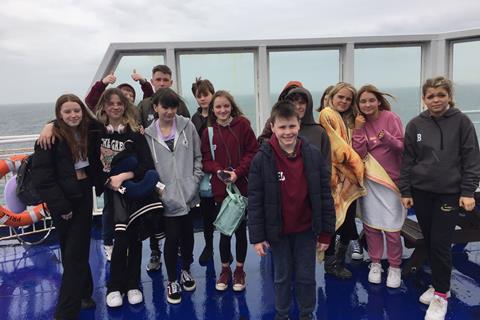
We managed to fit in a huge variety of activities during our four days, travelling by coach to Dover and then by ferry to Calais. Our first visit, the morning after we arrived, was a cruise down the Rhine river from Boppard to Rüdesheim, taking in the beautiful sights and scenery.
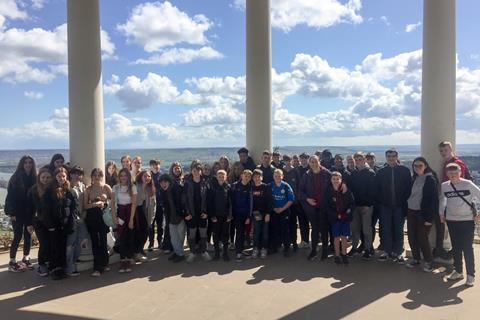
Disembarking in Rüdesheim, we headed to Friedrich’s Mechanisches Musikkabinett - a very informative museum of mechanical self-playing musical instruments. One of our pupils even performed for us on one on the manual pianos in their collection. After this, we took a ride on the Rüdesheim Chairlift, taking in breath-taking views of the vineyards, up to the Niederwald Monument, built to commemorate the Unification of Germany.
School: Cottingham High School, Yorkshire
Subject: Modern foreign languages, PSHE
KS: 3-4
Number of pupils: 43
We spent our second day in Cologne, climbing the 533 steps to the very top of Cologne Cathedral, and then we headed to Aqualand to enjoy some swimming and some of the best water slides we had ever been on, including the terrifying drop slide - not for the faint hearted! That evening, we did a fun quiz and treasure hunt around the small friendly town our hotel was in.
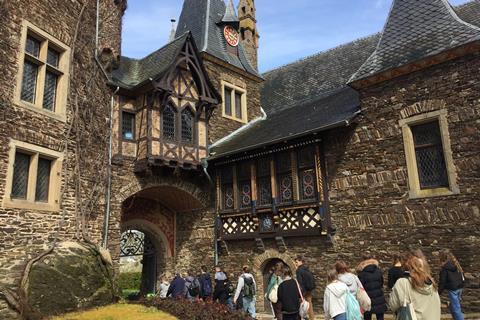
Our third day was spent in and around the beautiful town of Cochem on the river Mosel, which features amazing architecture such as half-timbered houses and the historic Cochem Castle where we enjoyed an informative and humorous tour. We ended our third day with a fun trip to a bowling centre near Koblenz where we were treated to a pizza buffet. Our last day was spent at the thrilling Phantasialand - one of the best theme parks in Europe.
Impact of the trip: breaking down barriers
Pupils felt more confident in their speaking skills after the trip, having had to communicate to get what they wanted in cafes and shops. They learned that they didn’t have to be perfect on what they were saying to be understood and that people appreciate their efforts anyway. It also linked with PSHE programmes in the school, where pupils learn to be global citizens and gain an understanding of culture and traditions in other countries.
“The trip was jam packed with activities, the weather was mostly good and everyone had a great time. We can’t wait for the next Germany trip.”
Olivia, Year 10
Although topic and languages work is important, these trips are great for showing some pupils more of the world and getting them to experience things they wouldn’t normally at home. They can also break down barriers and clear up misconceptions some pupils had about Germany and German people.
I know that the trip had impact as pupils talked about it for a long time afterwards and were much more open to learning German. I took a particularly high proportion of Year 9 pupils on the trip, many of whom subsequently chose to pursue GCSE German as an option subject.
“My favourite part of the whole thing was getting to stay in a room with my friends. The rooms were really old fashioned but nice anyway. I really want to go again and hope that I can.”
Connie, Year 8
Pupils also provided feedback on the trip and suggestions for further trips and the majority of these were positive with just some minor tweaks.
Back in the classroom: how the school embedded learning
Once back in school, the trip is discussed in lessons and pupils who were on the trip tell the others about their experiences. We are, however, careful not to focus too much on this, as some pupils may feel left out. During the trip, one of our evening activities was to write postcards in German and send them back to the school, so that they can be used in lessons by both pupils who were on the trip and also those who weren’t, thus helping them still feel involved.
Pupils are also involved in helping out with displays around the classroom and in the corridors and some have an input in the planning and advertising for the following year’s trip. Pupils are regularly reminded in lessons about when some of them managed to get their point across, despite their German not being perfect.