


The Summer Term brings even more opportunities for getting out of the classroom, so here’s practical guidance for enjoying this season’s visits safely.
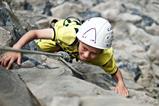
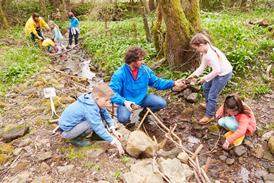
Local Learning Area visits to forest schools and allotments, days at farms, zoos, beaches and theme parks are popular activities at this time of year. Many schools choose this period for residentials, camping and fieldwork too. Each context brings its own risks, as well as benefits, so thoughtful preparation is essential.
Use the STAGED approach (staffing, travel, activity, group, environment and distance) as the basis of your planning. Consider how warmer weather and increased time outdoors affect risk. Think about your group: do any pupils or staff need additional support or control measures?
Flora and fauna
Be aware of any known allergies, including food, plant or animal-related reactions, especially if visiting a venue that encourages interaction with animals, or if you’re spending extended periods in nature. Ensure your team can recognise and respond to anaphylaxis and manage bites and stings.
At farms or zoos, good hand hygiene is key. Follow site guidance, enforce handwashing and restrict eating to designated areas. Consider staffing: do you have enough adults to closely supervise your group and support good hygiene?
Water and toilets
Running water isn’t always available at forest school sites or when out in nature on a hike. Plan how you will provide enough clean water for drinking and handwashing, particularly in warm weather, and identify toilet options in advance. Remember, hand sanitiser is not a replacement for soap and water. Avoid shared bowls of water; use clean water, liquid soap and disposable towels wherever possible.

Watch the weather
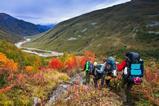
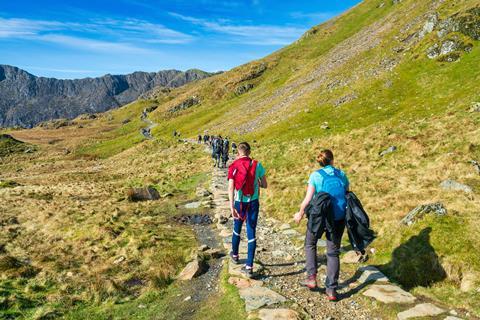
Check the weather forecast regularly, including temperature, rainfall and UV levels. Don’t be caught out by warm temperatures at lower levels – if you’re heading to higher ground, you could experience multiple seasons in one day. Know what to do in an emergency and how you will get help.
Match clothing and equipment to the activity and environment. Even in summer, some activities still require full coverage and sturdy footwear. When the sun does come out, follow ‘sun guarding’ advice, including high SPF sunscreen, hats, hydration and access to shade during peak hours.
Be realistic about your activities, especially in the heat, and be prepared to adapt your plans. With careful planning and flexibility, you can make the most of what the season offers, whatever the conditions.
Useful resources
- OEAP National Guidance 60 FAQs Allergies and Anaphylaxis, 7.2e Bites and Stings.
- Melanoma Fund.
- AdventureSmart UK.
You can get news and updates from EVOLVE Advice by subscribing to its free ‘Digest’ email newsletter here.