




Visiting crowded places with school groups requires careful planning and robust supervision. Here’s how to manage the risks while still providing enriching experiences in popular destinations.
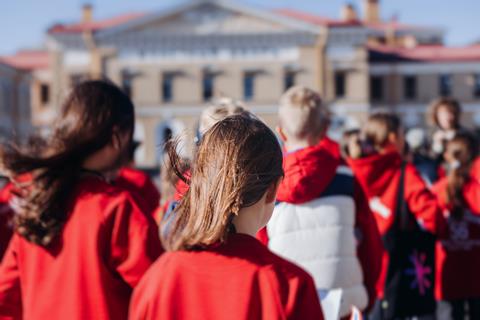
As much as we’d like full control over the environments we visit with school groups, that’s rarely possible; but it shouldn’t stop us from visiting popular or crowded places. If we put in the work before a visit to identify risks and plan how we’ll manage them, we can confidently take children and young people to browse the Christmas markets, enjoy a West End show, or explore a busy city.
Supervision should be top of your list of priorities
In bigger venues or crowded spaces, keep group sizes small and have enough, competent staff (including extra staff in case someone needs to sit with someone who is taken ill, for example).
Depending on the age and abilities of your group, consider your plans for direct, indirect and remote supervision. If you’re allowing students to explore in small groups without an adult, set clear expectations, including when and where to check in with you, and ensure you have a way of contacting them at any time.
Pick quieter spots for meeting places – away from the crowds. Trafalgar Square may be easy to find, but once you’re there it’s a sea of people and you can easily lose sight of the group.

Check your school policy on mobile devices and trackers – they have benefits and risks. How will students contact you if they get separated? A printed card with Visit Leader and school contact numbers is a good back up. Taking a group photo at the start of each day is a great way to record what people are wearing.
Know before you go
- Brief staff, students and volunteer helpers on what to expect on the visit, behaviours and safety procedures. Share contact numbers and emergency/incident plans in case of separation from the group.
- If you’re visiting a large venue, they should have clear emergency procedures in line with their responsibilities under Martyn’s Law – find out what they are in advance.
- Registers and regular head-counts are essential. Check each child on and off coaches, including at rest stops – it’s not unheard of for children to be left at the services. If you’re a large group, you may need to separate on busy pavements, trains or entering venues - plan for this from the outset.
- Finally, wear something highly visible and easy to identify – could you spot your own students in a sea of yellow vests?
For more guidance on visiting cities and crowded places, see OEAP National Guidance 7.1j Visiting Cities and 7.2k Group safety in crowded places.
EVOLVE Advice produces emergency cards for staff on educational visits, visit www.evolveadvice.co.uk/emergency-pocketguide
You can get news and updates from EVOLVE Advice by subscribing to its free ‘Digest’ email newsletter here.