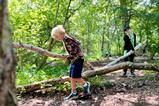






Dr Anne Hunt from the Council for Learning Outside the Classroom shares some top tips on how to transform school trips into powerful learning experiences.

Learning Outside the Classroom (LOtC) plays a vital role in delivering a rich, relevant and engaging education. When thoughtfully designed, educational visits strengthen curriculum learning and progression and support young people’s personal development in ways that cannot always be replicated within a classroom.
Educational visits are most impactful when they are rooted in clear educational intent. Research consistently shows that pupils retain knowledge more effectively when learning is experiential, purposeful and connected to real-world contexts.
Learning beyond the classroom is simply a teaching approach – the ability for teachers to choose where is the best place to learn.
It also provides vital opportunities to develop essential and transferable skills such as teamwork, resilience, problem solving, communication and independence - all of which support long-term educational and career outcomes.
Recent evidence from Different Journeys: Regional Variations in English School Residential Visits reinforces the important role residential visits play across all phases of education. The report confirms that schools routinely use residentials to support both personal development and academic learning, with the focus shifting as pupils move through key stages. In younger year groups, residentials often prioritise social development, confidence building and independence, while at later stages they are more closely aligned with specific subject learning, such as geography, science, foreign languages or history.

This report also highlights significant regional variation in participation. Pupils attending schools in the South of England are, in general, more likely to take part in residential visits than those in the North. This trend mirrors the pattern of eligibility for free school meals, which suggests that socio-economic factors may be playing a role. This finding is particularly relevant for school travel organisers, visit leaders and senior leaders, as it underlines the importance of proactive planning to ensure all pupils have equal access learning beyond the classroom that is designed to support educational outcomes.
For schools and staff responsible for planning educational visits, there are several principles that can help you optimise impact…
Align visits clearly with your school’s curriculum and enrichment priorities
Effective visits start with a clear purpose. Before choosing a destination or provider, it is vital to ask: What do we want pupils to learn from this experience? How does it support our subject learning, our enrichment offer, or wider school priorities? Remember that LOtC can serve many different outcomes at different stages of education, and clarity at the planning stage helps ensure the visit delivers meaningful outcomes rather than becoming an isolated experience.
Mapping learning objectives to curriculum content also helps staff justify visits to parents, governors and inspectors, and supports stronger evaluation afterwards. When learning outcomes are clear, visits are more likely to be valued as integral rather than seen as optional extras.
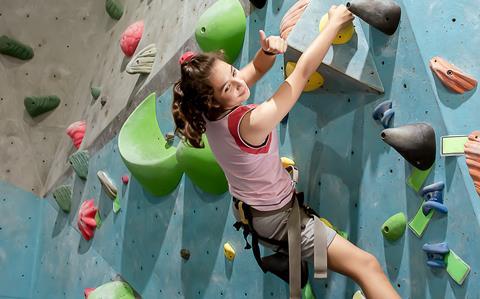
Prepare pupils before, during and after the visit
Preparation is a key factor in turning an enjoyable visit into a powerful learning experience. Introducing key concepts, vocabulary and questions in advance allows pupils to focus on learning rather than logistics or fear of the unknown when they arrive. Virtual tours, background research tasks and discussions about the visit’s purpose can all help pupils feel confident and engaged, and ready to learn.
After returning to school, follow-up activities are essential. Reflection, written work, presentations and cross curricular projects all help pupils consolidate their learning and make direct links back to classroom study. These post-visit activities are often where the deepest understanding happens.
Research consistently shows that pupils retain knowledge more effectively when learning is experiential, purposeful and connected to real-world contexts.
Promote equity and inclusion
Ensuring that all pupils can participate in educational visits designed to support their personal development or learning is a priority.
The Different Journeys report highlights how regional and socio-economic factors might be influencing access to residential experiences, reinforcing the need for schools to plan inclusively.
Early planning can make a significant difference. Where costs are involved, giving families plenty of notice, offering flexible payment options, exploring funding or subsidy opportunities, and working closely with visit providers to accommodate additional needs are all important.
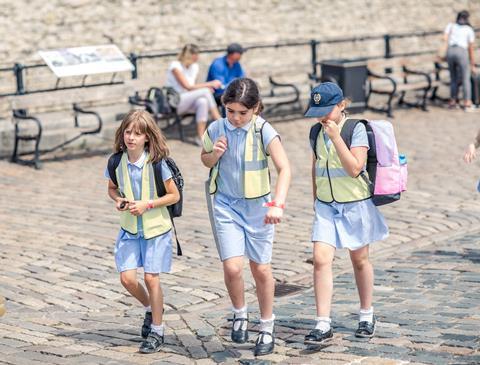
Schools can also consider how visits are framed and promoted. Emphasising the educational purpose and curriculum value can help families understand why taking part matters, particularly for pupils who may not otherwise have access to similar experiences.
When learning outside the classroom is intentional, inclusive and well-integrated, it becomes a powerful extension to learning rather than an add-on. Educational visits offer pupils opportunities to apply knowledge in meaningful contexts, develop essential life skills and build confidence in unfamiliar environments. For schools, they represent a strategic investment in a pedagogy that supports both academic achievement and personal growth.
As schools continue to review their curriculum and enrichment provision, learning beyond the classroom is a proven and valuable approach. With clear intent, thoughtful planning and a commitment to equity, educational visits can enrich and extend learning for all pupils, supporting them to thrive.
To find out more about the Council for Learning Outside the Classroom, visit www.lotc.org.uk.