




The Council for Learning Outside the Classroom (CLOtC) has published a report revealing regional differences in provision of school residential visits — and changes in provision since before the pandemic and financial crisis.
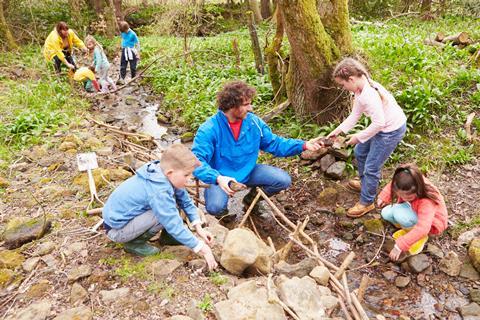
The study, Different Journeys: Regional variations in English school residential visits and changes over time, draws on data from EVOLVE, the planning and approval system said to be used by 25,000 schools. It is said to be the first time that data has been published showing how residential opportunities vary across England.
Dr Anne Hunt, CEO of CLOtC, a charity that champions learning outside the classroom, said that the findings offered an “important insight if we are to remove barriers to opportunity and deliver an entitlement for enrichment”.
She added: “In particular, the apparent similarity between the gradients seen for residential provision and eligibility for Free School Meals as you move from the North to the South of England is striking.”
Decline in opportunities after the pandemic and financial crisis
Across multiple types of residential visits – including adventurous, non-adventurous, domestic, and overseas – the analysis suggests that children and young people attending schools in the North of England are less likely to take part in and benefit from residential visits than those attending schools in the South, particularly for domestic adventurous and for overseas visits.
The pattern closely mirrors levels of Free School Meal eligibility, indicating there may be a link between deprivation and opportunity to take part in residential visits.
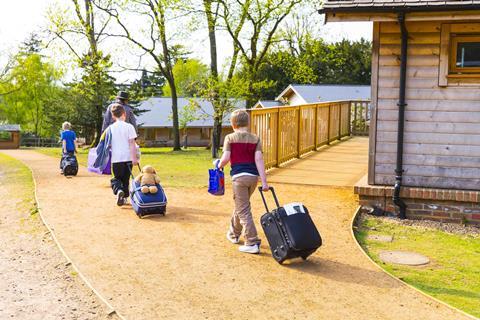
It found that the biggest variation between North and South regions was for domestic ‘adventurous’ residentials with schools in the South offering more residential visits per setting and with the highest overall participation.
At KS1/2 and KS3/4 in particular, schools in the North consistently record fewer, shorter visits and lower participation. At KS5, visits are shortest in the North, noticeably longer in the Midlands, while schools in the South record the highest number of participants and residential visits offered per setting.
Post-pandemic residential opportunities
The data also shows that despite a rebound in the provision of residential visits since the pandemic, the number has not recovered to pre-pandemic levels.
The steepest decline since 2018/19 has been for non-adventure residentials - often subject-based - where visit numbers, participation, and average length have all fallen sharply across England.
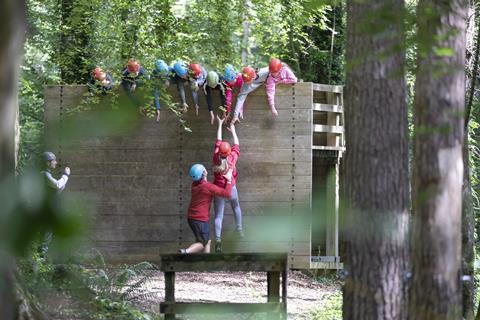
Adventure residentials have shown higher levels of recovery. This may reflect the value of this type of residential in supporting student personal development and wellbeing post-pandemic.
Cost pressures
The findings indicate the impact of pressures on schools and families, including rising transport costs, reduced budgets, and increased anxiety.
They also suggest a possible shift to students taking part in fewer, slightly shorter visits, which could reflect an imperative to manage costs.

We must ensure young people have equal opportunities
Dr Anne Hunt, CEO of CLOtC, said: “This analysis was commissioned to help us validate what teachers, advisers, and learning outside the classroom (LOtC) providers have been telling us — as their feedback was that the scale and scope of learning beyond the classroom is changing in response to financial and other pressures, and that there are regional differences in opportunity depending on where you live.
“The next step is to understand the factors and drivers that sit behind these differences, so we can ensure all children and young people have equal opportunity to benefit from the educational experiences that schools plan to support their students’ personal development, curricular learning, and enrichment.”
Call for collective action
The report calls for further collaboration to better understand the implications of these findings, and in particular to look at:
- which groups of young people are missing out and why.
- barriers their schools and families are facing, and how to overcome them.
- a more nuanced and complete understanding of the differences in LOtC provision across all schools, all home nations, and for all types of LOtC.
Click here to read the full report.
For more information about the CLOtC, visit www.lotc.org.uk.