


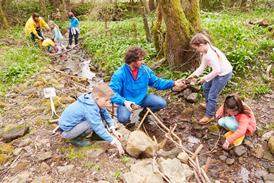


From inspection visits and bulk bookings to Pupil Premium funding and free facilities, here are some practical ways to make learning outside the classroom affordable for all students.

With a shared belief across schools that no child should miss out on experiences due to funding, it presents a challenge for those organising learning outside the classroom opportunities. How do you ensure that the already tight budgets go far enough to create impactful, and more importantly, inclusive educational visits?
Eddie Aylett, principal of Bower Park Academy in Romford said: “Educational visits are some of the most memorable experiences we offer our students. They bring learning to life, build confidence, and strengthen relationships beyond the classroom. But with rising costs, we all need to think carefully about how to get the best value for money.”
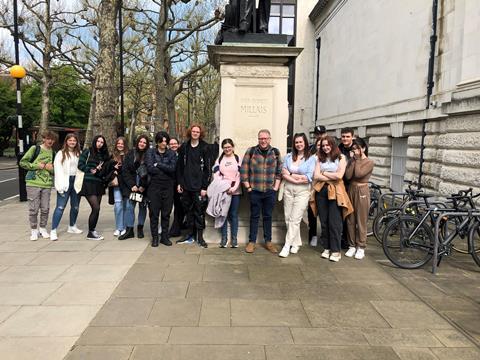
Eddie shared a few simple tips that can make a real difference
- Always ask for an inspection visit
Before confirming a booking, ask if the venue offers a free or discounted staff visit. It’s a great way to check safety, facilities and logistics and ensures the trip delivers what you expect. - Compare quotes and share them
Obtain at least three quotes for coaches, tickets and accommodation. Share them with colleagues or the business manager so we can spot better deals or bulk savings across departments. - Negotiate and ask the question
Many providers offer group discounts, free adult places or price matches if you ask. A quick email or phone call can save a lot on large group bookings. - Think smart about travel
Off-peak dates and joint year group trips help reduce costs per head. Filling a coach makes a big difference to the overall price. Or share with another school! - Plan early
Early planning allows time to secure lower rates, flexible payment options, and parent instalment plans. It also gives more time to complete risk assessments and approvals without rushing.
Eddie added: “By sharing good practice and thinking ahead, we can keep trips affordable and accessible for all families, while still offering the enriching experiences our students deserve.”
Using Pupil Premium and free facilities
Jon Clarke, shadow headteacher of Walsall Academy in Bloxwich, is a great champion of learning beyond the classroom, and has documented many fundraising feats over the years, including for the first ever state school trip to Everest which he organised in 2016.
The students who take part in the trips, and expeditions, that Jon runs get heavily involved in fundraising, whether it’s washing cars, taking part in events and raising money to pay for the experiences with part-time jobs.

Jon shared some of his top tips:
- Use Pupil Premium funding
If you have Pupil Premium for a student it can be used to support them with a visit and it is a very good use of funds and should be in your Pupil Premium strategy. - Consider if you can use a bursary
Bursaries at sixth form can be used to support students in visits but must be used for visit or courses that are part of their allocated learning. - Apply for local funds
Your local education authority (LEA) should have a list of funds that can be applied for to support learning. As a school you may not be able to apply but you can support parents/ carers in doing so. - Use facilities that are free
Parks, English Heritage sites, local open spaces and canals sides. Many of these offer amazing opportunities to be outside and can be used to conduct fieldwork for science or geography.
Funding and resources
Here are a few ideas to help with funding and extra resources to support school trips and learning outside the classroom:
Council for Learning Outside the Classroom: you’ll find free guides to help you start your ‘learning beyond’ journey on its website lotc.org.uk. There are also a lot of other free resources such as activity ideas to help with your planning.
PE and Sport Premium: the Department for Education updated its ‘PE and sport premium guidance for primary schools’ in October 2025, setting out how much funding schools will get, what you can and cannot spend it on and effective ways to spend it. It can be used for a ‘a wide range of extracurricular sport and competitive opportunities’. Search ‘PE and Sport Premium’ at www.gov.uk to find out more.
The Great British School Trip: the bursary fund aims to have supported more than 210,000 children by the end of the 2025/26 academic year. This is the fourth year of the scheme, run by Hyundai, and bursaries are available to all UK schools, allocated on a first come, first served basis. Priority is given to those who have more than 40% of their pupils receiving free school meals. Find out more at greatbritishschooltrip.com/bursary
Turing Scheme: have a look at the details for this scheme, which schools have reported receiving funding from. It’s a Government scheme which offers education providers ‘the opportunity to apply for funding to support their students with study and work placements around the world’. Click here for more information.