


Schools are eligible for funding of up to £50,000 to fund international educational trips during the 2026-27 academic year, with additional support available for disadvantaged pupils and SEND learners.

The Department for Education (DfE) has announced details of the 2026-27 Turing Scheme which gives schools funding for overseas educational visits.
The scheme was first established in 2021 to offer financial support to students to help with international experiences, making global educational travel accessible to all.
In its latest guidance for the 2026-27 academic year, the DfE has said the projects funded by the scheme should meet the aims of “enhancing transferable skills for life and careers, widening opportunity and driving value for money”.
“The Turing Scheme has been a genuine game-changer for our global enrichment program, specifically in opening doors for our disadvantaged students.”
Kate Kendall, Baxter College
There were concerns the Turing Scheme wouldn’t continue, particularly after the announcement that the Government is rejoining the Erasmus+ programme in 2027 which offers students the chance to study, work, volunteer, teach and train in Europe.
What funding is available?
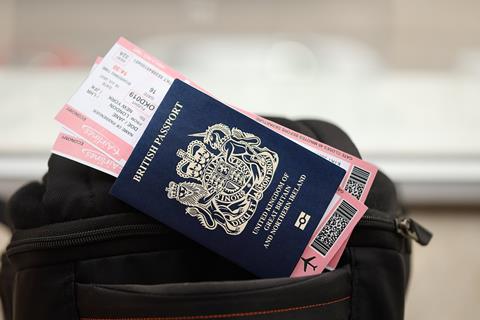
Schools can receive up to £50,000 for one application. In most cases, the funding is provided per-student and can be used for travel costs (for one return journey), passports, visa applications as well as towards the cost of staff accompanying students.
Additional funding and tailored support is available for pupils from disadvantaged backgrounds (who meet the criteria) along with SEND learners.

Eligibility for funding
Schools, and the students involved, must meet certain criteria and can only make one application for funding to the ‘schools funding stream’. For applications in the 2026-2027 academic year, schools which have an embedded sixth form can apply for projects that will provide placements for a mix of sixth form and younger school year groups.
Eligible schools can use the funding to pay for the services of third party organisations, towards Turing Scheme placements.
“The continuation of the Turing Scheme shows that the Government recognises and supports the importance of learning beyond traditional settings, giving more children the chance to broaden their horizons.”
Gill Harvey, School Travel Forum
For the 2026-2027 academic year, schools will need to set out how they will ensure cost-effectiveness of a particular placement and must explain why they have chosen their destination including setting out: student outcomes, strengthening international partnerships, value for money and environmental impact.
‘Placements’ must “lead to enhanced transferable skills that are beneficial for the student’s life and future career prospects” and must take place during 1st September 2026 and 31st August, 2027.
Turing Scheme has been a “game-changer” for international trips
Kate Kendall, curriculum enrichment and teacher at Baxter College in Kidderminster, said it was a “huge relief” that the scheme is being continued, adding: “The Turing Scheme has been a genuine game-changer for our global enrichment program, specifically in opening doors for our disadvantaged students. For many, this has provided the very first opportunity they’ve had to leave the country; we have even supported several students in obtaining their first-ever passports just so they could join us.
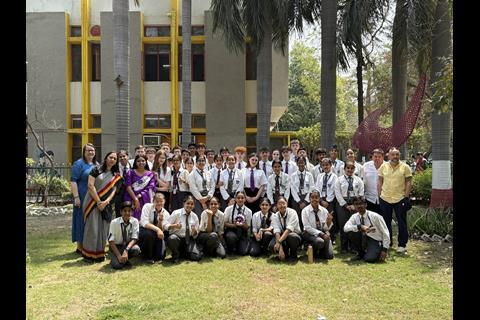


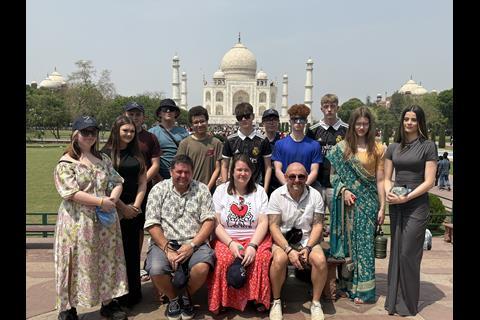
“This funding has allowed us to scale our international ambitions significantly. Following the success of our 2025 trip to Delhi, India with 12 Year 10s, we are now preparing to take 30 students from Years 9 and 10 to Toronto, Canada this May.
“Looking ahead to 2027, we hope to expand our bid to include our Sixth Form to ensure these life-changing opportunities reach as many students as possible. While the process requires detailed planning and careful administration, seeing students who thought world travel was out of reach suddenly exploring the globe makes every bit of paperwork incredibly rewarding.”
Gill Harvey, external affairs/membership director of The School Travel Forum, said: “The STF is delighted that the Government has extended the Turing Scheme for another year as it ensures children continue to benefit from invaluable educational travel opportunities.
“As highlighted in the Turing Scheme document, the scheme plays a vital role in helping young people integrate with other societies, develop respect for new cultures, and gain first‑hand experiences that build resilience outside the classroom.
“Its continuation shows that the Government recognises and supports the importance of learning beyond traditional settings, giving more children the chance to broaden their horizons.”
For more information about the Turing Scheme, and how to apply, click here.




No comments yet