

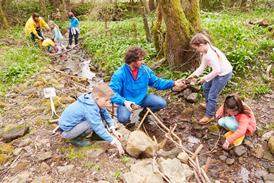

The outdoor education charity has launched its new +Adventure residential programme across three of its sites combining adventure activities, environmental learning and personal development, with plans to expand further across its UK centres over the next 18 months.
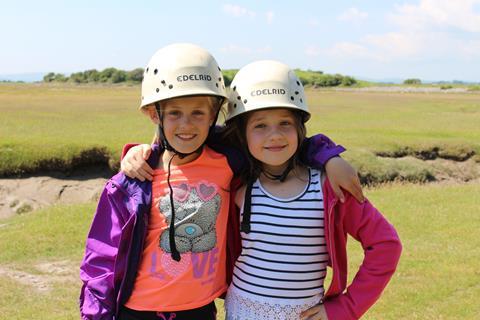
What +Adventure programme offers schools
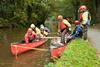
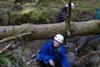
Through the new programme school groups can combine centre-specific outdoor activities such as canoeing, hill walking, ghyll scrambling and climbing with learning outcomes and personal development for all schoolchildren.
Pupils taking part in +Adventure residential trips engage in physical challenges, scrambling, paddling, climbing and exploring, while building confidence, resilience and stronger relationships with each other.
+Adventure residentials are currently available at Castle Head, Cumbria; Preston Montford, Shropshire; and Rhyd-y-Creuau, North Wales.
Aligning with Government education priorities
The programme launch comes as the government looks to overhaul and modernise the education curriculum, boosting climate education and prioritising enrichment activities. It also follows the publication of the first National Youth Strategy which includes commitment to improving access to nature, adventure and outdoor learning.
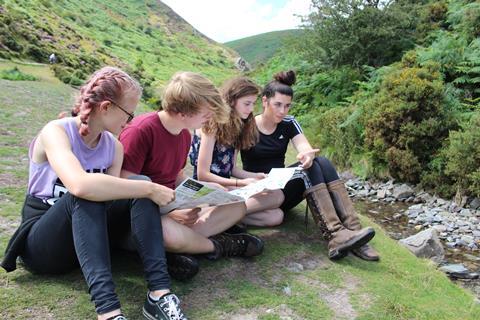
Expert-led adventure learning for schools
Matt Healey, adventure growth lead for the Field Studies Council, said: “We are leading the way in bringing environmental learning, expert tutors and adventure together and we’re really excited to launch our +Adventure programme this spring term at three of our key residential centres.
“As we expand the programme nationally to our centres – most of which are located near to National Parks, Areas of Outstanding Beauty or Sites of Special Scientific Interest – during the next 12 to 18 months, it’s our ambition to build an entire nation of confident and resilient adventure learners.
“Students on our +Adventure residentials will take part in exciting pursuits such as canoeing, rock climbing, ghyll scrambling and hill walking but at Field Studies Council we see these as more than outdoor activities.
“To us, these are learning adventures – a vehicle for personal growth, environmental stewardship and resilience.”
Matt Healey.
Joy Blizzard, communication and policy officer added: “The outdoor education sector has been changing fast and our new +Adventure programme directly answers the government’s call for enrichment, life skills, practical work, climate education, personal growth and access to nature for young people.”
About the Field Studies Council
Founded in 1943, the environmental education charity provides residential visits, along with field trips for pupils studying biology and geography at its network of 12 residential centres and seven day centres across the country.
School visits are designed to provide students with first-hand experiences in the outdoors and help to develop confidence and resilience.
For more information about the +Adventure programme, visit www.field-studies-council.org.