




Planning early, good communication and demonstrating educational value are all key to getting parents on board with school trips. Senior leaders, teachers and EVCs share their best advice for convincing parents and guardians to sign up for educational visits and support opportunities for their
Under-promise, be realistic about timings and give information upfront

Tim Waites, deputy headteacher and school senior EVC at Baxter College in Kidderminster, said: “Give them as much information as you can as often as you can - parents are busy and they lose emails, electronic communications, letters don’t always make it home in bags.” It’s also about giving them a fair opportunity to sign their child up.
Tim added: “Opening a visit up for parents in the middle of the day does disadvantage many who work and their child often misses out as the spaces have been filled before they can log on.
“Also don’t over promise - I have found that understating some aspects leads to a more positive experience and parents believe what you tell them. This is the same for timings - if you are not sure then say it is approximate but you will keep in touch, we have had some of the most upset parents when trips are late back but the communication before the day stated a fixed time - travelling into London for me is the hardest timings to predict and so we say that to parents.”
“Don’t over promise - I have found that understating some aspects leads to a more positive experience and parents believe what you tell them.”
Tim Waites, Baxter College
Consider sharing case studies and photos from previous visits

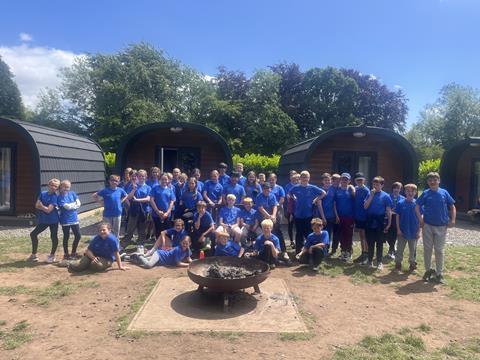
Rhian Milton, headteacher of St Woolos Primary School in Wales, said: “Our biggest challenge is encouraging parents to sign up, particularly where there may be financial barriers, separation anxiety, or a lack of experience with residential trips. We use ParentPay to offer flexible payment plans, helping to make the trip more accessible.
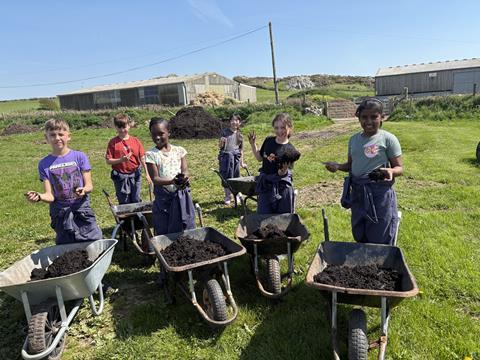
“We focus on clear communication about the educational and personal development benefits of the experience. Sharing case studies, photos, and pupil reflections from previous visits helps parents understand the lasting impact the residential has, from improved confidence and teamwork to stronger relationships back in school.
“Being open, approachable, and responsive goes a long way to reassuring families.”
Helen Robinson is a history teacher at Hymers College in Hull. Her top tip is to “plan early”, adding that “both of my trips – the Battlefields visit for GCSE students and the USA trip for Sixth Form – are promoted at parents’ evenings and at open events.
“Announcing trips early not only builds excitement but also allows families to spread the cost with smaller instalments over a longer period, which is especially important for the more expensive tours. I present them as important opportunities, which helps parents see the value straightaway.”
Meeting parents in person and updates during a visit
Ben Walker, outdoor education coordinator at Southgate School in Huddersfield said that getting parents on board with a trip is “not as daunting as it may seem” and explained that “we genuinely get parents/carers on-board by attending school parents evening and showing our faces.”
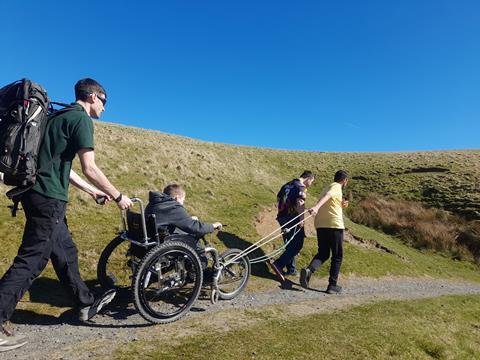
Ben added: “It’s always good that parents get to meet the staff leading a residential/expedition before it takes place.”

The school use a designated Outdoor Adventure page on Facebook and X when communicating with parents and carers during a residential, giving daily updates about the fun their children are having.
After their big trips, the school get a photo book made for each child, showing what they did each day which is used as a keepsake and a way of them communicating to their parents/carers about what they got up to each day.
Clearly demonstrating learning objectives
Ian Martin, head of outdoor education at St David’s College in Wales said they’re very keen to make parents aware of the learning objectives of a particular visit in the initial letter that goes out.

This is so that parents and guardians can clearly “understand the educational value of the trip and can also help the students understand what the trip/visit is all about”.
He added: “In my experience, a clear letter and easy payment system will save you lots of back and forth questions from parents.”
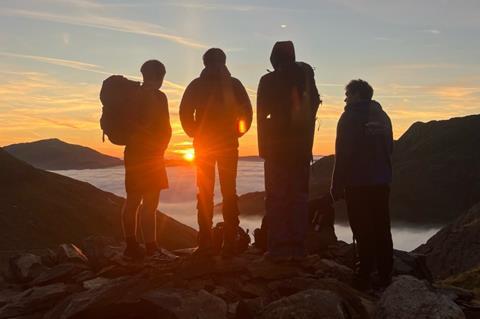
During the visit, the school generally takes the view that ‘no news is good news’. Ian explained: “We have a school contact point so parents can contact groups if needed (and vice-versa).
“Being ‘out of contact’ can be a real step in a student’s personal resilience and confidence while away on a school trip. We find that contact with home can often reduce the magic (and personal learning), of ‘being away’.”
What’s your advice to other schools about getting parents on board? Get in touch with us about this or anything else by emailing editorial@schooltravelorganiser.com