






From knowing who assesses what, to using the STAGED framework and staying ready to think dynamically on the day, EVOLVE Advice sets out a practical approach to risk assessment that puts pupil experience - not admin - at the centre.
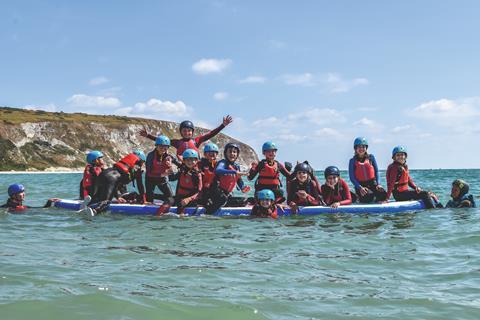
As you launch into this year’s educational visits programme, it’s a good time to review your approach to planning and risk management. Taking time to agree ways of working and to reiterate the ‘what, why and how’ of risk assessment will pay dividends later.
Risk assessment isn’t an admin task, it’s what allows visits to go ahead safely, so your pupils get the full benefits of the experiences and opportunities you’re planning. Get together as a team to talk through the visit, identify any risks and how you’ll manage them. Focus on the process and consider the resulting documents as a record of your decisions.
Your staff should feel confident to use their judgement and experience to adjust plans as things unfold.
Start by deciding what your own team are leading and what an external provider is leading. This determines who is responsible for assessing what. Your employer will usually have generic risk assessments for common scenarios like travel and overnight stays; use these as your starting point, then create an Event Specific Plan covering the specific needs for this visit, this group, these staff.
If a provider is leading an adventurous activity, such as canoeing or high ropes, they’re responsible for assessing the risks. You don’t need to check their technical risk assessments yourself – a Learning Outside the Classroom Quality Badge can provide you with reassurance that they are operating to the correct standards. Providers without the Quality Badge will need to give you more information; using a Provider Form may be part of this due diligence. If your own staff are qualified to lead the activity, responsibility sits with you. You’re always responsible for aspects of the visit such as coach journeys, walks to a venue and supervising downtime, so include these in your risk assessment.
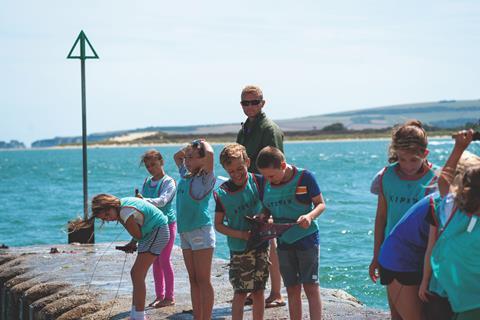
A good risk assessment answers three questions:
Who is at risk (name them, including the adults)? → What could go wrong? → How will you manage it through preventative or reactive measures?
Using the STAGED approach – Staffing, Travel, Activity, Group, Environmental conditions, Distance from base - is a reliable way to structure your thinking for planning and risk assessments. Learn more at www.evolveadvice.co.uk/staged.
On the day itself, conditions change: the weather turns, a venue alters its plans, an individual is taken ill. This is where dynamic risk assessment comes in. Your staff should feel confident to use their judgement and experience to adjust plans as things unfold. Working together through the initial risk assessment will mean your team is better prepared when they need to think on their feet.
A risk assessment that’s genuinely thought through, rather than copied and filed, is what turns it from a burden into what it’s meant to be: preparation that means your pupils get to experience the brilliant visits you’ve planned for them.
Key takeaways
- Know who is assessing what (you, or the provider).
- Build on generic risk assessments, don’t duplicate them.
- Make it event specific: this visit, this group, this location.
- Use STAGED to structure your planning, and stay ready to think dynamically on the day.
- Balance preventative and reactive control measures.
This publication is a general summary of guidance. It should not replace advice tailored to your specific circumstances. © EVOLVE Advice 2026.
You can get news and updates from EVOLVE Advice by subscribing to its free ‘Digest’ email newsletter here.