


From Jane Austen to Harry Potter, these carefully chosen English trips bring classic literature and modern prose to life, helping students explore the context behind these influential words.
The Brontë Parsonage Museum, Haworth
Best for: KS3–KS5
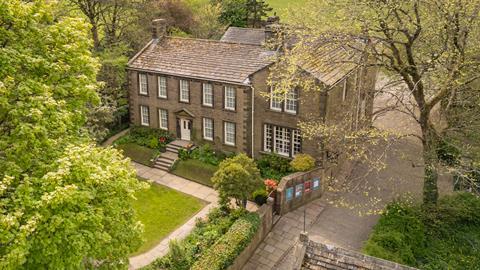
Bleak, beautiful and utterly atmospheric, the Brontë family home sits on the edge of the Yorkshire moors that shaped Wuthering Heights and Jane Eyre. Walk through rooms preserved almost exactly as the sisters left them, see Charlotte’s tiny handwritten books, and then venture out onto the moorland paths themselves.
Hear the wind against the windows, see the emptiness of the moors – a guided walk will give your students a vivid insight into the environment that shaped the novels. The museum offers workshops spanning Key Stage 1 to 5 as well as various guided walks which take in the historic and atmospheric village of Haworth in which Charlotte and her siblings lived.
Shakespeare’s Globe and the Royal Shakespeare Company
Best for: KS3–KS5
Shakespeare was written to be performed, not read in silence and here are two very different and inspiring venues where students can experience his work on the stage. At Shakespeare’s Globe, on the South Bank, London, students can catch a live production in the open-air replica theatre where the plays were first staged. There are also workshops that get them on their feet with the text.
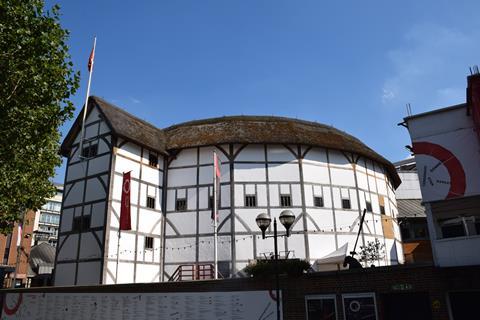
While in Stratford-upon-Avon, the RSC offers world-class productions plus an excellent education programme, from post-show discussions to full-day workshops on specific set texts. Whichever destination you choose to visit, you’ll see pupils who’ve dreaded ‘doing Shakespeare’ discover the depth of the stories and the characters within.
Jane Austen’s House, Chawton
Best for: KS3–KS5
This inspiring Hampshire cottage is where Austen wrote or revised all six of her novels, famously working at a tiny twelve-sided table in the Dining Room. Glimpse into what a writer’s real life looks like: the domestic constraints, the societal challenges, the discipline and creativity. Travel back in time to Regency England to explore the House’s treasured Austen collection or discover how events like the Napoleonic Wars and the French Revolution influenced Jane and her writing in special workshops.
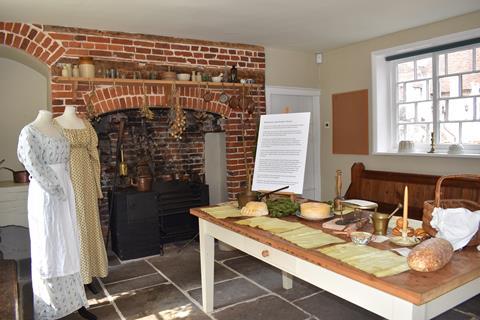
Workshops include Art of The Author which uses one of Jane Austen’s Teenage Writings and an extract from Pride & Prejudice to introduce Jane Austen as a writer and give an overview of her extraordinary literary accomplishments.
The Charles Dickens Museum, London
Best for: KS1–KS4
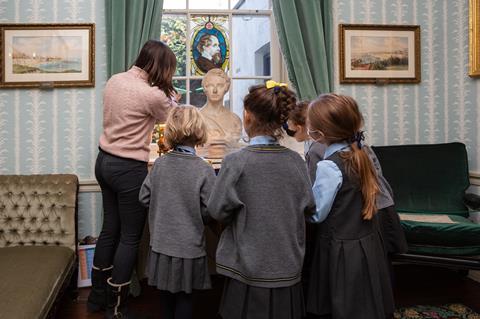
Dickens’ only surviving London home offers dedicated workshops created for Key Stages 1 to 4. Dissect the language behind Scrooge or explore Dickens’ journalism. There’s no ‘sitting and listening’ here – pupils handle objects, investigate rooms and leave with a proper sense of Dickens the working writer, not just Dickens the exam text.
Learning sessions include Tactile Explorers for SEND students which explores Dickens’ family home. Pupils will have a sensory tour around the museum and have the chance to handle some of the objects from the collection.
Warner Bros. Studio Tour London – The Making of Harry Potter
Best for: KS2–KS4
An unbeatable way to talk about world-building, adaptation and the craft of storytelling with a story every pupil already loves. As well as exploring authentic sets such as the Great Hall and Diagon Alley, Warner Bros. Studio Tour London – The Making of Harry Potter offers an award-winning education programme encouraging schools to go beyond the classroom and allow young minds to discover the extraordinary artistry, technology and filmmaking talent that brought the Harry Potter film series to life.
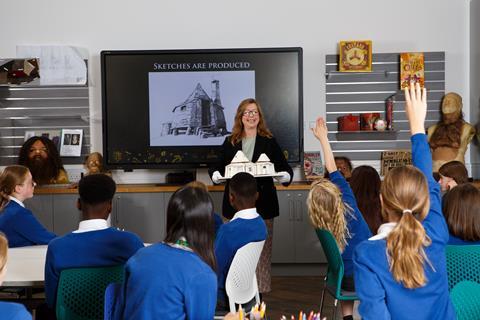
School visits include entrance, free teacher places, a free green screen broomstick experience as well as a 45-minute lesson in the purpose-built classrooms. There are English lessons for KS2-5 including Instructional Writing in which students get the chance to examine authentic artefacts from the film series before using them to devise their own game and instructions.
Hever Castle, Kent
Best for: KS3
A visit to Hever Castle can provide some interesting links to English, particularly around the relationship between history, storytelling and literature.
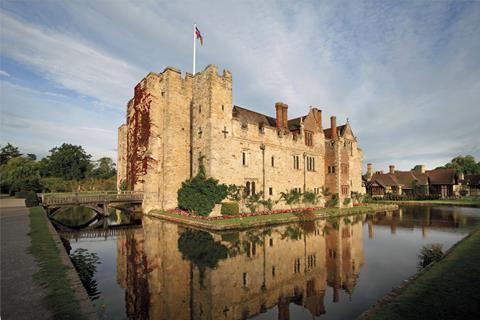
One of the most intriguing connections is to Shakespeare. Sir John Fastolf, who owned Hever Castle in the 15th century, is traditionally thought to have been one of the inspirations for Shakespeare’s character Falstaff, who appears in Henry IV, Part 1, Henry IV, Part 2 and The Merry Wives of Windsor. While the Castle’s connection to Fastolf is limited, with his coat of arms among the features visitors can see, it provides an interesting starting point for exploring how writers can take inspiration from real historical figures and transform them into fictional characters.
There are other literary connections around the Castle. A painting of Henry V provides an opportunity to explore Shakespeare’s famous portrayal of the king in Henry V, while the Venetian Doge’s throne offers a link to Shakespeare’s Venetian plays, including The Merchant of Venice and Othello.
The Story Museum, Oxford
Best for: KS1-KS3
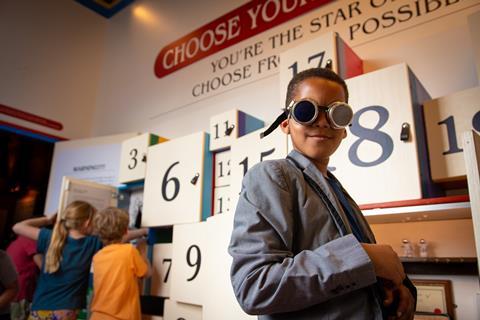
School groups are invited to become super-sleuths at The Story Museum’s new Mystery Academy exhibition. Designed by award-winning author Sharna Jackson and young curators, the display features a forensics lab, library and more. It delves into the history of real life detecting, with early fingerprint kits, secret body cameras and more on display. Pupils will also explore their favourite fictional characters and books from the detecting genre, such as Sherlock Holmes and Inspector Morse.
The museum offers a range of tailored sessions from EYFS to Key Stage 3, and bespoke sessions can be created for older students in Key Stages 4 & 5.
The British Library, London
Best for: KS2–KS5
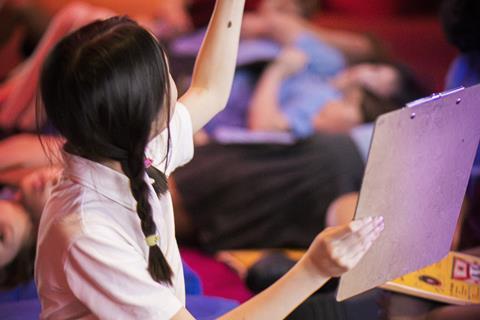
The British Library offers an extensive range of fun, accessible and inspiring experiences for learners of all ages in Leeds and London. Free 90-minute creative writing workshops pair drafting and editing sessions with a guided tour of the Library’s Treasures Gallery, where students will find inspiration from extraordinary manuscripts and other items. Or explore speech, accent and dialect with the National Sound Archive’s oral history collections. No one will be telling you to be quiet here!
Schools can book a self-guided visit of the Agatha Christie: A World of Mystery exhibition (November-June 2027). There’s a linked workshop exploring the life of the Queen of Crime and how her adventures inspired her stories, ideas and characters.