



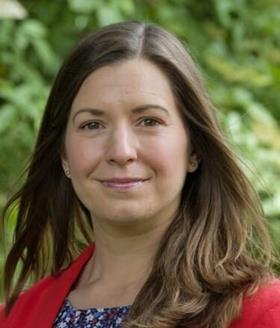
Suzanne Carter, head teacher at Eastwood Community Primary School in Keighley, Yorkshire, on their school motto, empowering staff and inspiring families.
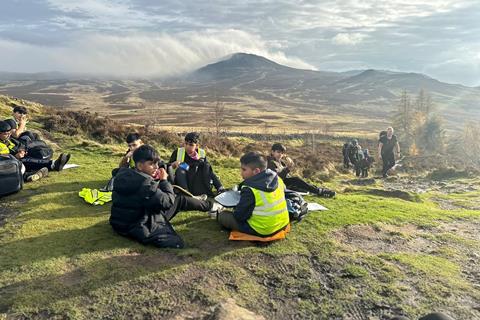
Your school motto is ‘Building Brighter Futures Together’ – how does that link to learning outside the classroom?
We live in a very built-up, industrial, urban area and our community, for various reasons, tend to stay in that environment. So, it’s about opening our children’s eyes to the rest of the world.
All visits are linked carefully to our curriculum, and we try to make sure that pupils have a real breadth and variety in terms of the places we take them to while they are with us. Over the last decade, having learning outside the classroom as our core offer, the confidence from our families has increased and now they are taking their children to places at weekends and holidays. It’s not just about the children, it’s about the families and the community and the lived experiences that we are able to offer, to promote and to advocate for.
How do you plan the cycle of school trips?
It has developed over time. Because it’s a core component of our curriculum offer, we have a cultural capital section on all of our curriculum maps so it forces staff, in a good way, to consider what the cultural capital enrichment opportunities are within that unit of learning that they’re going to be delivering. These are in addition to our ongoing cycle of weekly Outdoor Learning sessions and residential visits.
The staff have ownership over where they feel would be good opportunities to take the young people. An example is the Year 5 visit to the Police Museum in Ripon which is linked to their crime and punishment topic. The staff decide where they think a visit will be best placed within the unit. Do they want it at the beginning to initiate an interest in the learning, midway through to consolidate the learning or at the end to embed the learning? We create a whole school map of trips and experiences. We do need to be conscious of the stretch and load on families, so we don’t want to have 20 big cost trips all going in the same half term for example.
How important is it to empower the staff?
Very. Staff are far more likely to be excited, passionate and prepared to go the extra mile for something they have agency over.
We have an open and honest conversation with every member of staff who joins us about what we expect. They’re going to be doing lots of trips, outdoor learning, they’re going to need wellies and a waterproof – if that’s not for them, that’s fine, but if it is, great, come and join us! A lot of work goes into trips and you have to understand why you do them and be passionate about enabling them for our community.
Why is it so important for you to get children learning outdoors and on trips?
An experience can move mountains in terms of a child’s learning, personal development and cultural knowledge. You can show somebody a text and they might be able to engage with it but to actually go and see it is different. You’re building core memories which are the cornerstones of learning, development and future opportunities. It wouldn’t be Eastwood if we didn’t have trips.
Your latest Ofsted report highlights the range of school clubs and trips – that must have meant a lot?
It was lovely to have it acknowledged in print, what people have often raised their eyebrows at. People ask how we manage the time to go off timetable. My response is that this is the timetable. If we don’t give the pupils these experiences now, they may not get them. Their entire learning experience and retention of learning is rooted in these experiences.
How do residentials work at Eastwood?
Residentials were always the nut to crack for Eastwood. For our families, it was a very big deal for their children to be sleeping away from home. Many of them hadn’t ever slept anywhere apart from home so it’s something we’ve had to work really hard on. They are heavily subsidised to enable as many pupils as possible to have the opportunity to attend.
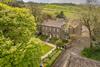
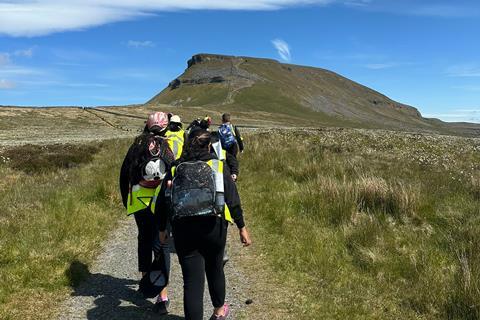
We now have a bedtime story event for our nursery and reception children, which paves the way for them coming into school in the dark. Then we have a one night residential in Year 2. Year 3 go camping at Buckden Outdoor Education Centre and Year 4 go up to Halton Gill with the Countryside Trust. In Year 5 and 6, there’s a three-night residential to the Lake District.
In each of the key stages there is an overnight residential and the majority of them are self-led to keep costs down for our families. We supplement those residentials with sleepovers in school so that the children who can’t go to the off-site experience don’t have to miss out on the experience of sleeping away from home.
How have you navigated that with parents / carers?
It’s about trust. We give parents/carers plenty of notice and where possible, we have children and their families who have previously been on a trip at the initial interest meeting so they can share their experience. Hearing from a parent/carer about the impact it had on their child is a game changer. Communication has to be really open and clear.
We have even taken parents/carers to some of the places that they’ve been really anxious about their children visiting to help allay any concerns. We’ve found this to be particularly beneficial for families of children with additional needs. We also run parent/carer post-trip briefings where we share photos and stories of our experience. These are always really well attended and appreciated.
What have you got coming up?
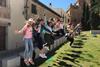
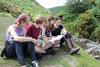
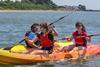
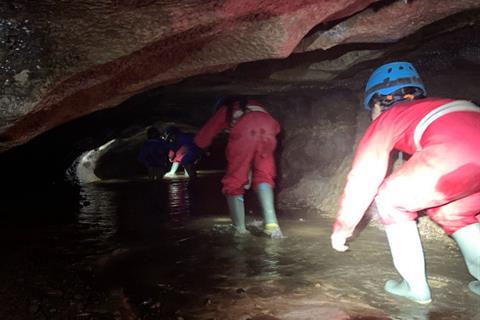
In addition to our residentials to North Yorkshire and the Lake District, we’ve got some great trips to places of worship, museums and galleries coming up. There is something going on every week, and on most days each week. We’ll be going kayaking and dragon boat racing, mountain climbing and geocaching. We’ll be uphill, down dale, in a cave or place of interest - if we can get there, we’ll be there!
Would you like to tell us about the work you do in organising educational visits? Get in touch by emailing editorial@schooltravelorganiser.com.