





Keeley Rodgers speaks to some of the education team at Kew Wakehurst in Sussex about how they bring plant science to life and inspire visiting school groups.
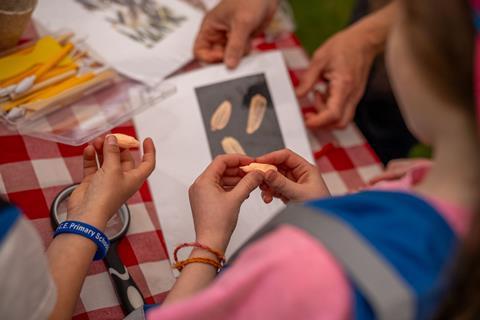
Wakehurst welcomes over 12,000 pupils every year and for the learning team, it’s a huge opportunity to inspire as many people as possible to protect the natural world. Learning manager Julie Whelan explains: “If we can get children to think about how cool plants are and start to spark curiosity about plants, that leads them to care about them more.”
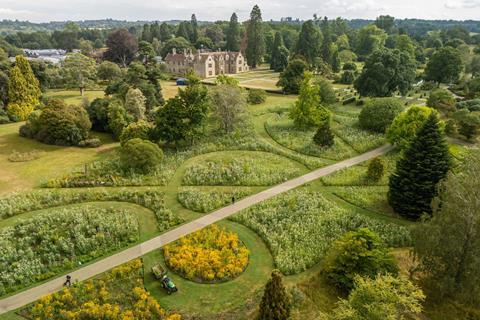
With more than 500 acres of diverse landscapes and plants from across the globe, Wakehurst in Sussex is the sister site to Kew Gardens in Richmond.
School visits are largely linked to the Plant Science curriculum and as Julie tells us, they bring conservation and plant science to life in the gardens with children learning by doing and seeing. A typical day includes a workshop on anything from adaptations and life cycles to an array of beautiful seeds from around the world. Pupils also do a learning trail around the gardens. Julie said: “Whatever we do, we make sure that it is something that you couldn’t do in the classroom. We don’t rely on PowerPoints, we don’t have worksheets.”
Connecting to nature is a huge leveller
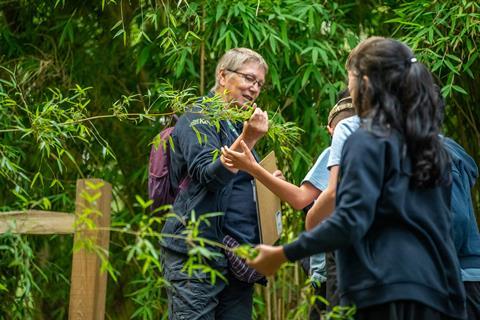
Nature Connectedness is a huge focus at Wakehurst and the team was involved in research along with the Royal Holloway University which, Julie explained, showed that “taking the time to stop, look, listen and appreciate nature has a huge impact on both your wellbeing, but also really importantly for children, your ability to function well and to regulate your emotions.”
She added: “The lovely thing about nature connection is that it’s a huge leveller; it doesn’t matter how much or how little you know about nature, everyone comes in at the same level because it’s about how you feel.”
“If the teachers can experience first-hand the wellbeing effects of nature, then they are much more like to be able to pass that on to their pupils.”
Learning manager Julie Whelan
Assessing the impact
The team follow up with the schools who visit Wakehurst and go on a Nature Connectedness trail. Three weeks after their visit, they send the schools a survey to see the impact it had on the pupils and whether they are noticing nature more, and feel that their actions can make a difference. Julie said: “Research shows that you’re three and a half times more likely to care about nature once you’re connected to it. We’re looking to expand this work with schools throughout the year.”
Empowering teachers with knowledge and confidence
Alongside its offer for pupils, Wakehurst also runs several training sessions for teachers and EVCs including Carbon Literacy Training. The Department for Education now requires every school to appoint a designated sustainability lead and write a sustainability plan.
Julie tells us: “We have trained quite a few schools in how individuals can bring down their own carbon footprint and how to then engage young people with the whole idea of conservation, sustainability and the environment without it being overwhelming for them.
“Often, it’s about raising confidence and it’s nice for teachers to have a bit of wellbeing as well. If the teachers can experience first-hand the wellbeing effects of nature, then they are much more like to be able to pass that on to their pupils.”
Incredible work at Kew’s Millennium Seed Bank
Another draw for schools visiting Wakehurst is the unique Seed Bank, which celebrated its 25th anniversary in 2025. It contains seeds from more than 40,000 different wild plant species from all over the world. It is estimated that 45% of flowering plant species are at risk of extinction; by storing seeds away from their natural habitat, and supporting seed banks around the word, the Wakehurst team are giving a safe home to some of the world’s most threatened plants.
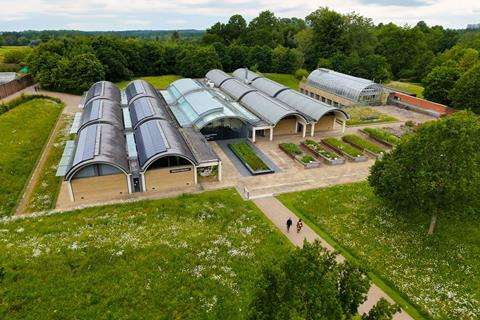
School groups can see the real scientists hard at work in the Seed Bank and bank their own seed model in the Bank a Seed exhibit. Where possible, behind-the-scenes tours can also be arranged for A-Level students.
Core teacher Lesley Davies said: “The Atrium of the Seed Bank was designed for education so that people can see into the labs and see the scientists at work. We do the introduction in there.
“Schools can see into each room and look at what the scientists are doing and follow the journey, from when the seeds are checked in to them being dried and frozen and then taken down to the vault. It’s real hands-on science. The children are amazed! There are also workshops the children can do as well such as Seeds on the Move (for KS2).”
Julie said the Millennium Seed Bank was another way of bringing learning to life for pupils. She told us: “There’s a big misconception among some people that science isn’t for me and it’s some distant thing. But actually, for them to be told, they’re being a scientist today, and encouraged to ask questions, it brings it to life.
“We find out little gems we can share with the children, for example about jumping seeds, or seeds in space. All of these things help to show them how cool plants are. It shows them science is everywhere. The idea is to give them that spark and then they start to connect their scientific knowledge elsewhere.”
For more information on school trips to Wakehurst as well as teacher training sessions go to kew.org/wakehurst/school-visits.