





The museum and research centre’s new development provides hands-on, nature-based outdoor learning with three exhibits designed to spark curiosity in pupils aged three to 12.

Winchester Science Centre, home of educational charity Wonderseekers, has opened three new outdoor exhibits - Dino Dig, The Chalk Stream and Dormouse Den - aimed at children aged three to 12.
Known as Play Wild, this project marks the first outdoor development at the site, located on the edge of the South Downs National Park.
Wonderseekers’ ambition is to help children discover science through movement, nature, and play. The new exhibits invite children to dig for prehistoric fossils, identify them at a research station, experiment with water (pumping, redirecting, damming and more), and investigate a dormouse habitat in an immersive play area.
“Every interaction point in these spaces is rooted in how children actually learn: through movement, problem-solving, collaboration and imagination.”
Amber Ogunsanya-Williams, play consultant
The exhibits have been shaped by the Wonderseekers Young Steering Group - a group of children who help guide the charity’s activities. Their input shaped a design focused on how children actually discover; through digging, climbing, hiding, working together and testing the world around them.

Ben Ward, CEO of Wonderseekers, said: “The best adventures start with a question. What lives here? Why does that happen? What if I try this? Play Wild takes the curiosity we inspire inside Winchester Science Centre and lets it loose outdoors.
“Set within the breathtaking landscape of the South Downs National Park, these new experiences invite children to explore, experiment and discover the world around them, turning every visit into an opportunity for adventure, investigation and learning.
“As the charity behind Winchester Science Centre, we believe every child deserves the chance to be curious, confident and connected to the world around them. Play Wild is an invitation to do exactly that.”
Three exhibits to make science fun
Each of the new Play Wild exhibits explores a different aspect of the natrual world. The Chalk Stream is am interactive water play environment inspired by the UK’s rare chalk streams. Children can sit under a waterfall and experiment with water flow using a pump, dams and accessible interaction points - all designed to encourage collaborative play and scientific curiosity.
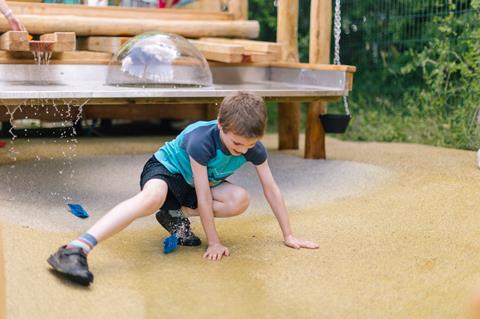
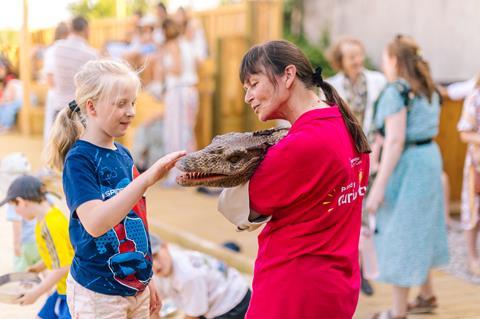
Dino Dig invites children to become palaeontologists, uncovering evidence of prehistoric life through hands-on discovery and using on-site research stations to identify species. They can also explore a giant Mosasaur fossil.
Finally, Dormouse Den is a physical play experience inspired by the behaviour of hazel dormice - one of the UK’s rarest and most elusive mammals. It is situated beside hazel coppice that forms part of the surrounding habitat and is designed to encourage children to climb, jump and hide, mimicking the natural movement and behaviour of dormice found there.
Amber Ogunsanya-Williams, play consultant, said: “What struck us from the very beginning was how naturally and instinctively children explore: they test, they move, they hide, they try things again. Our job was to design spaces that meet children where they are.
“Every interaction point in these spaces is rooted in how children actually learn: through movement, problem-solving, collaboration and imagination. This isn’t play equipment. It’s science, experienced with the whole body.”
Learning at Winchester Science Centre
As well as the new play exhibits, schools are offered a range of curriculum-linked Discovery Workshops when visiting the centre, suitable for groups in Key Stage 1 to lower Key Stage 3.
A school trip to Winchester Science Centre involves a 45-minute workshop exploring topics such as fossils, the solar system, habitats and human biology, plus a bespoke Planetarium show and time to explore the interactive exhibits.
Find out more about school visits at: winchestersciencecentre.org.