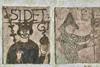




The recently-launched resources help pupils to study portraits of influential figures in the innovation of medicine, from Florence Nightingale to Alexander Fleming.
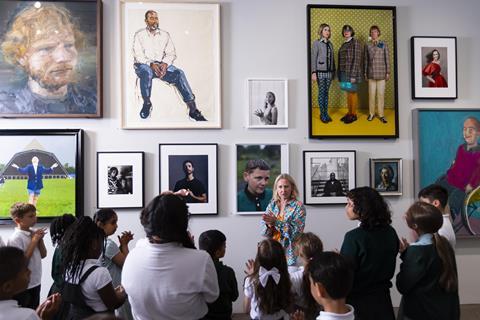
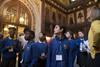
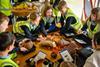
Aimed at KS3-5 pupils, the free learning resources can be used during a school visit to the gallery in London, exploring the development of medicine between the 18th and 20th centuries.
Two resources have been launched, supporting history and science: What can portraits tell us about medicine in Britain between 1700 and 1900? and What can portraits tell us about medicine in Britain since 1900?
The resources have been created to support pupils in gaining and applying knowledge of advances in science, medical care, and the treatment and prevention of disease and to analyse and interpret portraits to use them as sources of evidence.
School groups of up to 60 can visit the gallery to see the permanent collection and temporary exhibitions at any one time, depending on availability. Coach parking bays are located on St Martin’s Street. Schools enter via the main entrance on Ross Place where they will be welcomed by members of the learning team.
What can portraits tell us about medicine in Britain between 1700 and 1900?
This learning resource explores the improvements in medicine, particularly in surgery, disease prevention and hospital care and the developing understanding of how the human body works during the period.
Pupils will examine portraits of some of the individuals behind the leaps forward in medicine and medical science during this period and ask questions about the individuals and their impact.
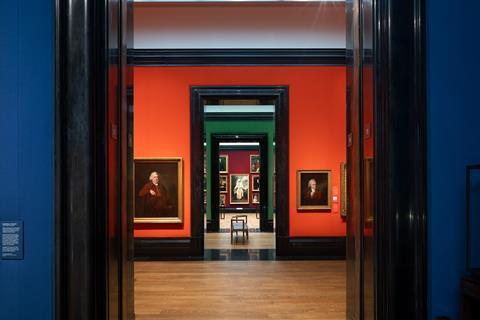
The portraits studied include John Hunter, one of the leading surgeons of the late 1700s; Edward Jenner, the scientist who created a process for protecting people against smallpox; and Florence Nightingale and Mary Seacole who both influenced significant changes in hospital conditions.
What can portraits tell us about medicine in Britain since 1900?
Pupils will explore further improvements in medical knowledge and technology which have prompted developments in medical care, treatment and disease prevention.
They will also look at major world events of the 20th and 21st centuries such as World War One and World War Two, the HIV epidemic and Covid-19 pandemic and how they have pushed innovation and progress in medicine. Another focus will be the creation of the NHS in 1948 and how this changed the lives of people who could previously not afford medical care.
Pupils will focus on individuals including Archibald McIndoe who was a pioneering plastic surgeon recognised for his work during World War Two with Royal Air Force pilots and others who had suffered serious burns; and scientists who developed crucial innovations including Marie Curie and Alexander Fleming.
For more information about school visits to the National Portrait Gallery, visit www.npg.org.uk/learning.