




School groups can see rare artefacts from the 1700s that explore the use of science and technology in the founding of the United States of America when the exhibition opens in October, 250 years since the signing of the Declaration of Independence.
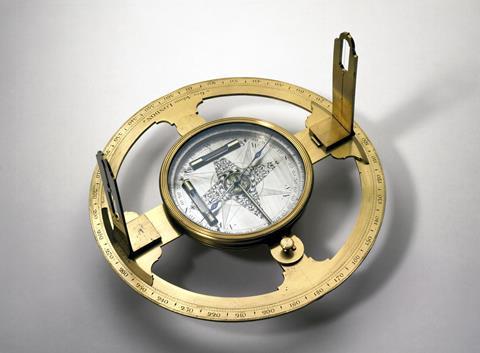
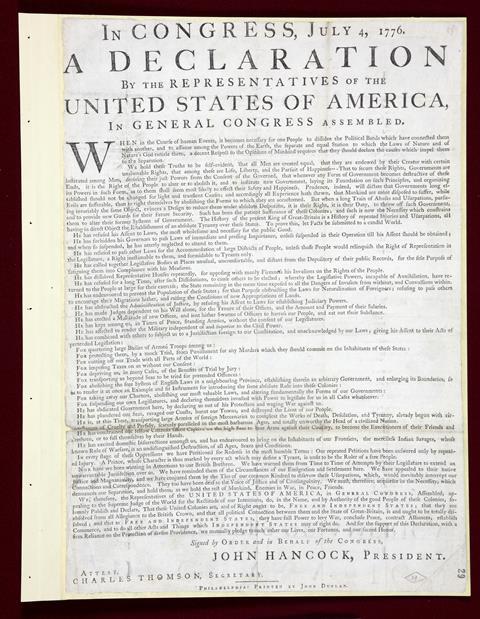
Becoming America: How Science Shaped a Nation, supported by Griffin Catalyst will feature a rare surviving copy of the Declaration of Independence, a pioneering map made by Benjamin Franklin and items used by King George III and George Washington.
Covering topics across STEM, geography and history, the free exhibition at the Science Museum in London will delve into the use of science and technology in shaping the land, people and identity during the founding of the United States of America.
It will also explore the stories of the people who lived through it, and the different methods and tools used by the Anglo-American colonists, Indigenous Americans and enslaved and free people of African descent to live and exert power during this period.
Sir Ian Blatchford, director and chief executive of the Science Museum Group, said: “This major exhibition will provide a surprising and alternative exploration of the founding of the United States in this 250th anniversary year, examining how science and technology shaped this nation, its people and the land at a pivotal moment in history.
“I have no doubt the exhibition’s unexpected stories will surprise our visitors and add greater depth to the shared history between our nations.”
What’s on display
Suitable for Key Stage 3-4 and Higher Education groups, Becoming America offers students the chance to see a rare first print of the Declaration of Independence from 1776, one of the most famous texts in the Western world.
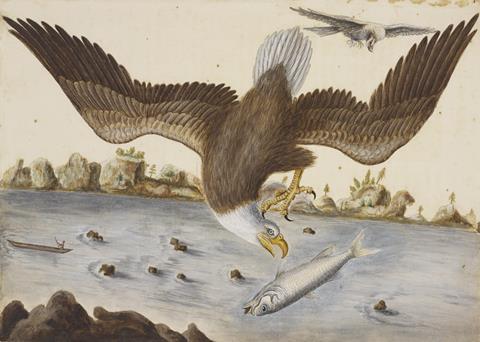
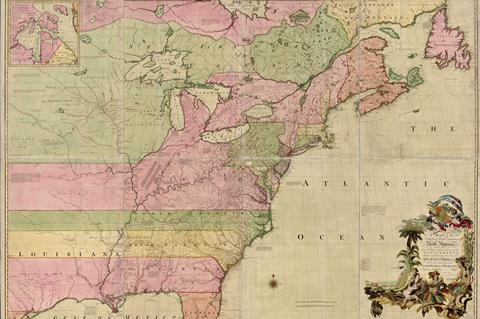
Other highlights among over 100 artefacts on display include a map created by Benjamin Franklin, which was the first to chart the Atlantic Gulf Stream, and an 18th-century watercolour illustration of a bald eagle, owned by King George III, which was made the national emblem of the United States in 1782. The image comes from what is thought to be the first published book on American flora and fauna.
Students will also be able to see the popular almanac written by Benjamin Banneker, a freeborn astronomer, mathematician and surveyor of African descent who worked on the new capital, Washington DC.
Cross-continental technology
STEM groups can learn how different technologies, equipment and native practices were used in combination to shape the United States in its early years. From a ten-foot-long traditional Indigenous dugout canoe to a painting dating back to 1807 depicting the excavation of a prehistoric Mastodon, a wide range of technical skills will be on display.
An array of scientific skills and practices will also be explored, from enslaved women using their botanical and horticultural knowledge to feed and heal their communities to the Indigenous peoples’ in-depth understanding of North America’s terrain and waterways.
Becoming America: How Science Shaped a Nation, supported by Griffin Catalyst opens on 23rd October and will run until 25th April 2027.
Entry to exhibition is free but ticketed. Schools can find out more and book tickets by visiting sciencemuseum.org.uk/becoming-america.