


Childhood in War will use historic objects and immersive spaces to look at the impact of 20th and 21st century conflicts on young lives in a first-of-its-kind exhibition in the UK, opening on 31st July.
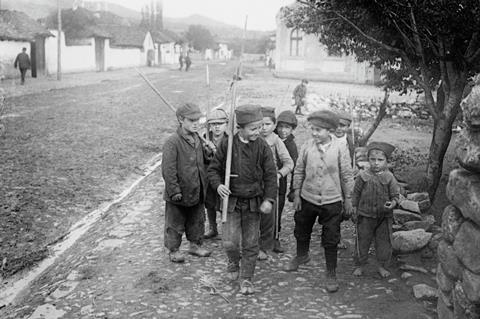
Imperial War Museum (IWM) London will open the first exhibition in the UK dedicated to examining how war affects and shapes the lives of children and young people. Photographs, personal items, letters and historical artefacts linked to conflicts around the world, from World War One to the present day, will be on display.
Opening on 31st July, Childhood in War will aim to help visitors understand war from a child’s perspective, highlighting how war impacts day-to-day life for children, across play, health, schooling and home life. Schools will be able to see the exhibition until 28th February 2027.
“Children’s voices and experiences of conflict matter. Their stories offer us a unique perspective on the impact of war.”
Craig Murray, lead curator of Childhood in War
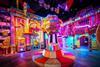
According to figures from UNICEF and United Nations, more than one in six children globally live in areas affected by conflict. The exhibition will feature personal testimonies, interactive and hands-on experiences including a large-scale evacuee train and recreations of 20th century wartime games.
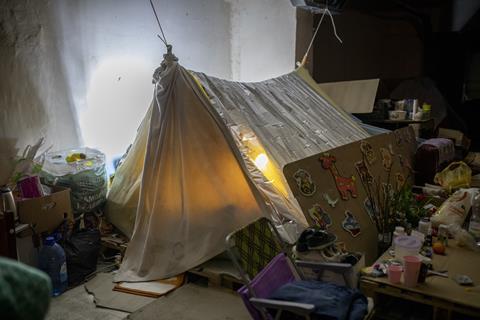
School groups will be able to walk through recreations of historic rooms and see items on display for the first time. There will also be stories shared by leading organisations including UNICEF, War Child and Right to Learn Afghanistan.
What’s on display?
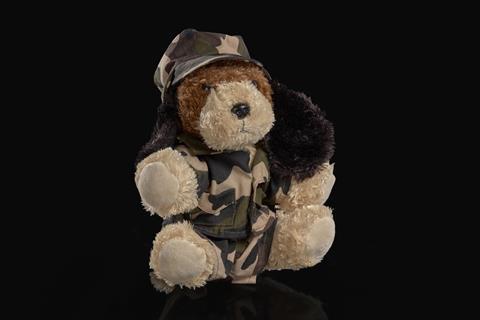
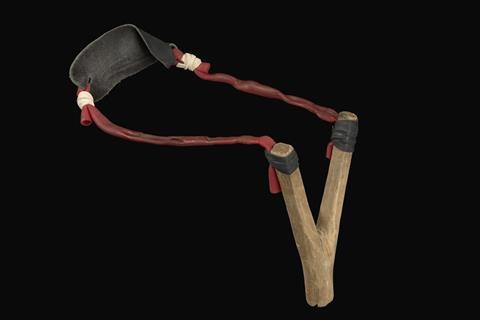
Pupils will learn about how children continue to play during wartime through a recreation of a child’s bedroom during World War Two and explore why it is so important during times of conflict. Displayed objects will include a teddy bear from Holocaust survivor John Hajdu, plus pupils will be able to play wartime games and learn how play was weaponised through the Hitler Youth programme and the Soviet Union’s KOMSOMOL movement.
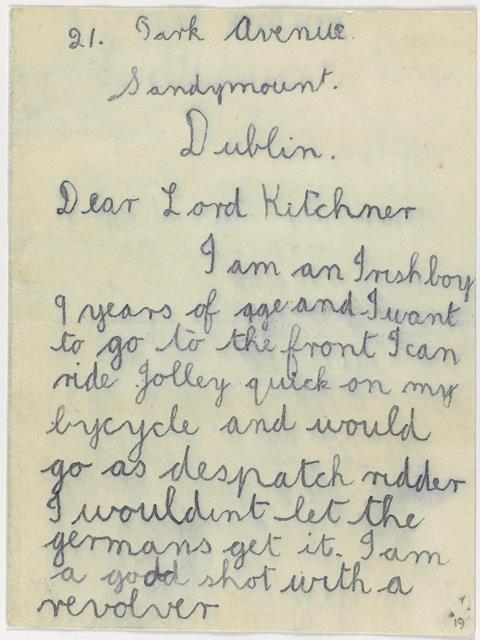
There will also be a train carriage replicating those used to transport evacuees during World War Two which your class can board, filled with real letters from evacuated children, items belonging to children on the Kindertransport and a new video testimony.
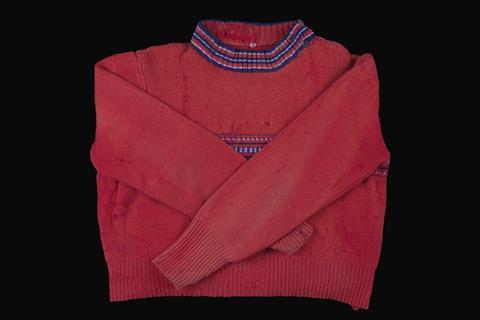
A Cold War-era living room and kitchen will be used to illustrate the impact of war on life at home and children’s health. A television will show a public awareness film from the time and pupils can listen to audio accounts through a rotary phone. Children will also be able to design their own toy during a ‘make do and mend’ activity.
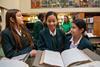
A World War Two classroom will highlight how children’s education is affected by conflict, with posters and comics from Northern Ireland, Afghanistan and the former Yugoslavia warning about the dangers of objects like explosives and mines.
The exhibition’s lead curator, Craig Murray said: “Children’s voices and experiences of conflict matter. Their stories offer us a unique perspective on the impact of war.
“By providing a hands-on exploration of childhood through conflict, Childhood in War offers a space for families to reflect, learn and discuss difficult topics together in a world increasingly torn apart by conflict.”
Throughout the exhibition there will be a focus on popular children’s books set during wartime, and pupils will be able to follow a literary trail (aimed at KS2) that features stories from characters created by popular children’s authors, including Dame Jacqueline Wilson and Deborah Ellis.
Past and present
Historical experiences will be exhibited alongside stories and personal contributions from present day conflicts, including Afghanistan, Ukraine and Sudan. A stand out quote comes from a poem by a 15-year-old girl who describes the feelings of panic and fear when the Taliban took control of Kabul on 15 August 2021: “I witnessed how that day darkened not only Kabul’s sky, but also the dreams and hopes of so many.”
Drawings, poems and letters from modern-day children experiencing war will be on display, including drawings from three children from Sudan showing their homes being attacked which were collected and used as evidence of war crimes at the International Criminal Court.
Anne-Claire Dufay, UNICEF representative to Ukraine said: “The experiences and stories shared by children, young people and families reveal the horrific reality of war, but also the hope that pervades, reminding us all why protecting childhood must be prioritised.”
Children in War is a free exhibition and school groups will be able to include it in a visit to IWM London alongside learning sessions and self-led tours of the permanent exhibits.
Find out more about school visits to IWM London at: iwm.org.uk/visits/iwm-london/schools.