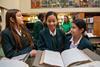



Curriculum-linked education sessions are available to book in the newly opened African Forest habitat, home to the zoo’s troop of Western lowland gorillas.
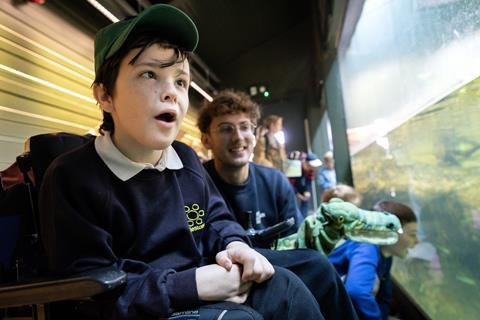
The much-anticipated habitat at Bristol Zoo Project opened in the spring and education sessions tailored to the African Forest theme are now available to book.
New curriculum-linked learning sessions include Jungle Discovery (EYFS), Rainforests (KS1 and KS2) and Primate Evolution (KS3). They will be held in the African Forest classroom which looks directly into the gorillas’ indoor gym.
Rainforests workshops for Key Stages 1 and 2 explore the essential resources that rainforests provide for humans and animals and how we can protect them, plus there will be animal-themed games.
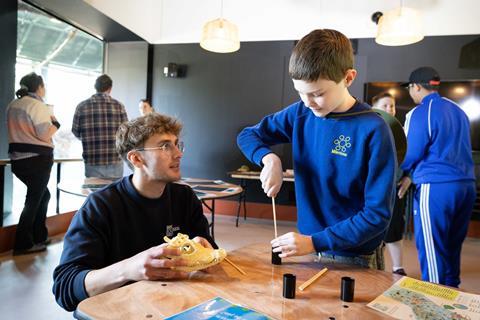
Key Stage 3 groups can learn how primates evolved over time to adapt to their unique habitats during a Primate Evolution session. Pupils will also learn how to taxonomically group primates and discuss conservation efforts to protect their forest homes.
Who lives in African Forest?
All of the species in African Forest are threatened or endangered in the wild. This new habitat was designed largely for the zoo’s much-loved troop of Western lowland gorillas, who have moved up to the South Gloucestershire site from the original Clifton site following its closure in 2022.
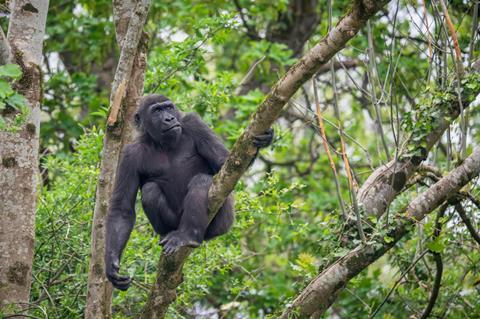
A moat surrounds the gorillas’ tree-filled island which they share with cherry-crowned mangabeys, a smaller species of primate. Visitors can also see slender-snouted crocodiles, several species of African freshwater fish and Lake Barombi-Mbo cichlids in the aquarium house, as well as a flock of African grey parrots rescued from the illegal pet trade in the aviary.
The habitat also features animal-themed play areas, telescopes for spotting the primates in the trees, a forest bathing area and educational displays.
School visits at Bristol Zoo Project
A wide range of other education sessions are available, covering science, geography and even art topics across all key stages. Highlights include Wild about Wolves (KS1-3), which delves into the history of wolves in the UK and why they howl, and Wildly Creative (EYFS-KS2) which allows pupils to explore the colours, textures and patterns in nature through art and their senses.
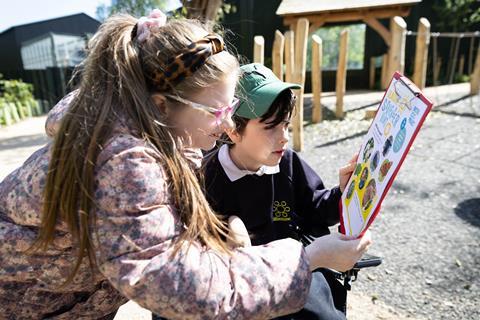
Learning sessions can also be tailored to accommodate SEND students, plus there are accessible play areas and interactive displays specially designed to be inclusive.
In addition to workshops, worksheets and activities are available for self-led visits and daily animal talks are held around the site which provide insight into different species, habitats and conservation topics.
To find out more about school visits and to book sessions go to: www.bristolzoo.org.uk/schools-and-education.