

In a time of tightening budgets, limited resources and increasing demands on teachers, we hear from a teacher about the value of cross-curricular trips and the impact they can have on students.
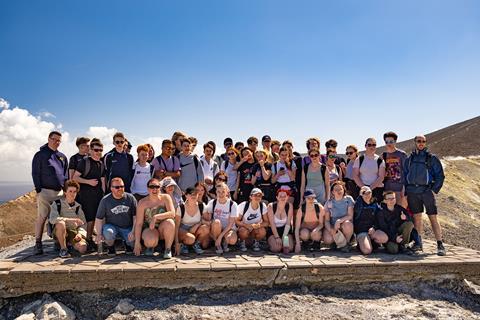
The positive impact that learning outside the classroom can have on pupils is undeniable, and overseas trips can bring subjects to life. However, as budgets get tighter it is becoming increasingly difficult for many schools to plan trips of this nature across multiple departments.
Cross-curricular school trips offer a practical and effective solution, combining subjects and departments into single all-encompassing trips that maximise educational value, build confidence and create unforgettable experiences.
Making overseas experiences accessible
By implementing cross-curricular trips, schools can ease the pressure of budget restrictions by decreasing the number of trips needed, cutting down travel costs, and reducing demand on staff time.
It also reduces the need for parents and guardians to pay for multiple trips, therefore making them more accessible to all pupils.
Matt Bird, head of geography at North Bromsgrove School, who regularly travels with school tour operator Rayburn Tours has spoken about accessibility being a key priority when planning educational travel.
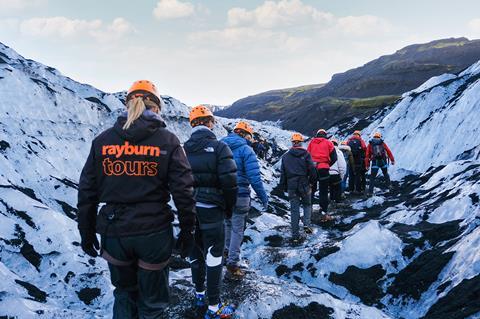
“I’m really keen that we open up trips to everyone to increase their cultural capital and, above all, encourage them to become what we’d have called in my school days ‘all-rounders’”, he explained.
“The world and all its wonders should be made accessible to as many of our students as possible.”
Maximising impact
Single overseas trips that bring together elements of different subjects, such as history, geography, languages and religious studies not only reduce the financial and time pressure on both schools and pupils’ families, they also highlight the connections between subjects to deepen students’ understanding across the curriculum.
Strong itineraries can create meaningful links between disciplines, while also bringing together a wider range of students. For example, a trip to Sicily can combine volcanic landscapes, ancient sites, places of worship and interacting with locals to strengthen language skills, creating an experience with broad impact.
Along with the clear academic benefits of seeing subjects come to life, these itineraries help break down barriers and show that cultural experiences and international travel can be accessible to everyone, regardless of background.
“An important part of the trips is making sure that all students feel they belong in any part of the world they see fit,” according to Matt.
Memories for a lifetime
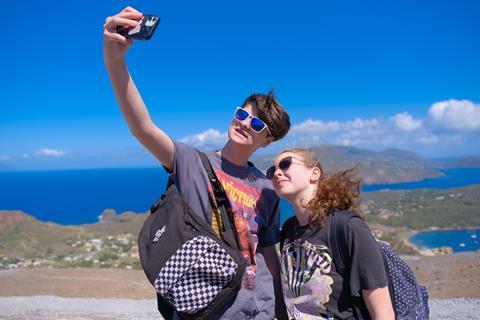
Whether it’s standing on the slopes of Mount Etna, exploring the Colosseum, or taking in the views from the ancient Greek theatre at Taormina, these are moments that can’t be replicated in a classroom.
Matt explained that, in his experience, students often don’t appreciate the significance and impact of these experiences until they happen.
“The stuff we do is amazing,” said Matt. “It doesn’t matter who you are – Vesuvius and Etna are amazing, the Colosseum is amazing, the theatre at Taormina is amazing!”
“Whilst they may not be totally keen beforehand, when they see these things, they are stunned.”
These moments enrich learning and inspire a sense of wonder that often stays with students long after the trip has ended. Cross-curricular trips provide an opportunity to open up the world to a wider range of young people, deepening their learning and forging lasting memories.
Cross-curricular ideas for UK trips
- Alton Towers: schools visiting the theme park in Staffordshire can take part in tours and activities that interlink topics in geography, history, STEM, travel & tourism, design and more.
- Kew Gardens: sessions offered focus on important skills across the curriculum, such as observation and data collection for science, using materials creatively for art & design, and using spoken word to explore ideas for English.
- The Museum of Science & Industry: workshops at the Manchester museum can tie together several subjects, including investigating the science, history and geography behind cotton production in the city.
Award-winning tour operator Rayburn Tours runs cross-curricular educational trips all over the world to the likes of Iceland, Spain and Italy. For more information, visit www.rayburntours.com