




While summer residentials remain popular, forward-thinking schools are discovering the benefits of trips during cooler months.
While many schools opt for residentials in the summer term, there is a growing argument for looking at other times in the school year. Running a residential experience in the winter or spring months can have many benefits, including being more budget-friendly or adding a burst of energy mid-year.
Autumn
The start of the school year is often associated with fresh beginnings. This period can be the perfect time to take students on a residential for a number of reasons.
Bringing your class together
Students are still forming relationships with one another and with their teachers at the start of the year. A residential trip in the autumn can accelerate this bonding process, helping to create a supportive and cooperative class environment from the outset.
Jon Clarke, shadow headteacher at Walsall Academy, said: “I believe that a residential in the colder months is better than a summer one. It provides pupils with the opportunity to learn, adapt, fail and then find a new way forward. I do not believe that the resilience shown by pupils on some of the trips I’ve organised would have been developed in the same way at any other time of the year.”
Autumn residentials are especially valuable for classes that are newly formed, such as moving from primary to secondary school, or where there are a number of new students. The shared experiences during a residential can break down barriers and create stronger connections between young people.
Set the tone for the year ahead
A residential at the start of the school year can also help to establish your expectations in a different context. Students will develop skills including communication, empathy and resilience that your colleagues can continue to nurture throughout the year.
These trips also set a positive tone for the year, where learning isn’t confined to textbooks but involves real-world experiences that inspire curiosity and allow your students to interact with a topic in new ways that you can build on during the academic year.
Energise and engage students
It’s no secret that students come back from the long summer break with varying levels of motivation. This pause in learning can make it hard for some to settle back into school. A September or October trip provides a perfect opportunity to engage and energise learners early on, giving them something exciting to look forward to and prepare them for the academic challenges ahead.
Alderman Richard Hallam Primary School in Leicester has experimented with running their Year 6 residential at different times of year. After finding the summer period was becoming increasingly expensive they have settled on September. Class teacher, Wayne Holder explains: “The weather is generally quite mild this time of year and we found it was a fantastic opportunity for pupils to build a relationship with their new class teacher at the start of what is quite a pivotal year.”
Winter
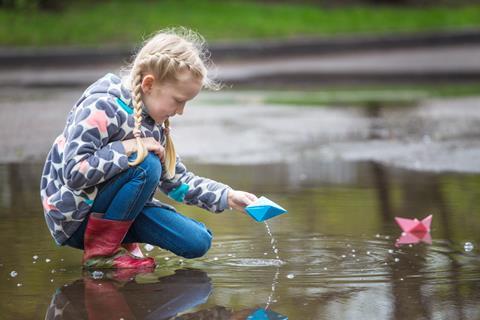
While the colder months may not seem like the most obvious time to take students away on a trip, winter residentials can offer a wealth of benefits, as well as often being more affordable and less crowded.
Boost mid-year motivation
By the time winter rolls around, the initial excitement of the new school year may have faded, and students (and you!) can start to feel the effects of the long, dark days. A winter residential can act as a mid-year energiser, helping to break up the monotony and keep students motivated through the long term.
Develop resilience
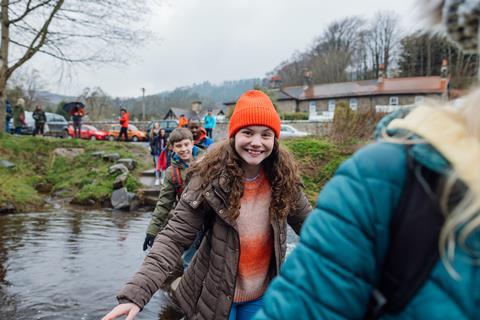
There’s something quite rewarding about a winter residential. Whether it’s hiking through frosty landscapes or entertaining themselves during the longer evenings, these activities help students develop resilience and adaptability.
New learning opportunities
Imagine taking a group out for a walk in the pitch darkness and gazing up at the Milky Way, or visiting a Christmas Market surrounded by lights and the smell of hot chocolate, or skiing down slopes of freshly fallen snow in the Alps… some activities and trips can only be experienced during the winter months, and there is something quite exciting about venturing away during a non-traditional time of year.
Spring and summer
For many schools, residential trips are often seen as a way to celebrate the end of the school year, a reward for their hard work and a chance to create lasting memories before students move on to the next stage of their education.
A rewarding send-off
For students in their final year of primary or secondary school, a residential trip can be a fitting send-off, offering one last chance to bond with classmates and celebrate their achievements. Teachers often report that these trips provide closure and help students feel more confident as they transition to the next phase of their education.
“Taking the students away at the end of Year 11 after they have finished their GCSEs gives them something to treasure.”
Steiner Academy Hereford.
“Many of the students have been together for more than a decade. With no pressures of lessons, tests or exams, this trip is a fantastic way to simply enjoy being together before they leave the school.”
Reflect on growth and achievements
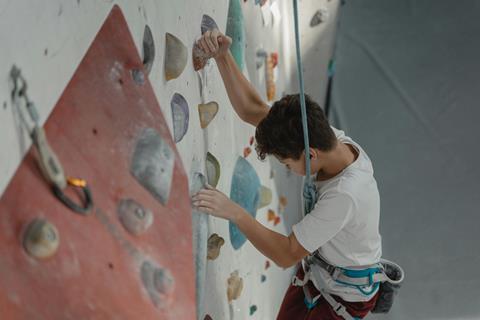
An end-of-year trip is also an opportunity for reflection. After months of learning and personal development, learners can look back on how far they have come, both academically and socially. These trips give teachers the chance to celebrate students’ growth in a way that is meaningful and memorable.
Support the transition to secondary school
Joining together with other ‘feeder’ schools for an end-of-year residential can help ease the transition from primary to secondary or high school. Students get to know future classmates and teachers in a fun, relaxed environment, creating bonds that will carry them through the early days in their new school.
This feature was first published in the Learning Outside the Classroom Yearbook. You can read the latest edition here.











No comments yet