





Timing, purpose, inclusivity and follow-up learning are just some of the key factors that can make or break a residential trip. Here’s how to get it right from the very start.
Timing is everything
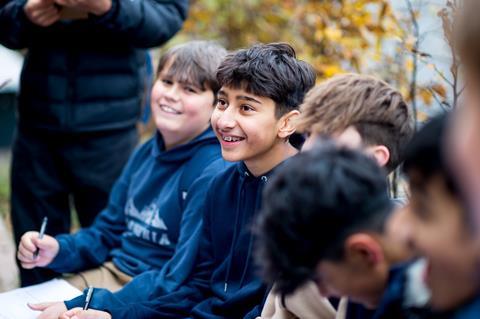
Summer and early autumn are firm favourites but think about the purpose of the trip, what you want to achieve and the kind of activities you’d like your group to experience, this will guide you on the best time of year to go.
May - July offer warmer, longer days and, usually, better weather, making adventurous and water-based activities more comfortable and enjoyable. September - October is often more affordable and can be a great way for a new class to bond and set the tone at the start of a school year. While winter residentials can work brilliantly for creative, urban or fieldwork-focused trips.
Start with your purpose
Is the trip about confidence-building, curriculum enrichment, creativity or teamwork? Being clear on the ‘why’ makes it easier to choose the right provider and the right programme. It also helps parents understand the value of the experience, which is great for getting their support.
Think about travel time
There are many opportunities across the UK so think about your group’s needs, and the duration of the trip. Long journeys can eat into energy levels as well as the time away, especially for younger pupils. A closer destination can mean less tiredness on arrival so you can get stuck into your chosen activities straight away. Also consider how you will get there - taking the train might be a more comfortable and easier option for urban trips.
Balance challenge with comfort
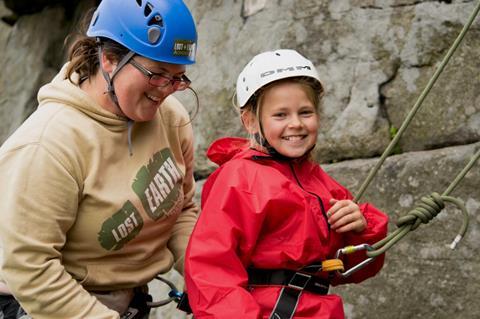
The best residentials stretch and challenge pupils, but in a safe and supportive environment. Many of the benefits also arise during ‘down time’ - when pupils are making new friends and organising their own activities. Make sure your chosen programme offers variety, flexibility and time for relaxation.

Plan inclusivity from the start
Consider accessibility, SEND provision, health and dietary needs. Let your chosen provider know these well in advance, the best will work with you to adapt experiences so everyone can take part.
Prepare pupils before you go
Pre-trip briefings, packing lists, looking at maps, going through the programme, talking about where they’re going to sleep, giving pupils the chance to ask questions - this all helps reduce nerves and build excitement, especially for first-time residentials.
Bring the learning back to school
The impact of a residential doesn’t end when the coach pulls back into the car park. Build in time afterwards for reflection, creative follow-up work or curriculum links - from writing and presentations to science investigations or PSHE discussions. Remind pupils of what they achieved - when they overcame a challenge or braved a new situation. Revisiting the experience helps embed learning, celebrate progress and extend the benefits long after the bags are unpacked.