



James Blake, CEO of YHA (England & Wales) and chair of Access Unlimited, on why we can’t wait to give young people vital experiences.
For too long access to nature has been treated as a ‘nice to-have’ in education, a bonus activity to squeeze in when time and budgets allow. But the evidence is now clear and compelling: nature is not a luxury; it’s a necessity and a matter of equity.
The Government’s recent curriculum reforms recognise creativity, critical thinking and outdoor experiences, and from September 2028 the curriculum will include a new ‘enrichment entitlement’. It’s a positive step, but can we wait two years?
As child poverty rises and access to green space becomes a postcode lottery, those who could benefit most from nature are often the least able to reach it.
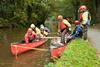
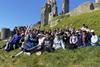
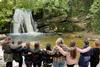
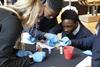
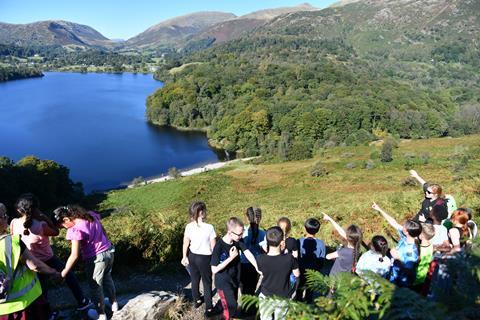
Young people need these experiences now. Research evaluating almost 1,000 young people involved in the Generation Green 2 programme and led by Dr Caroline Harvey at the University of Derby, shows how transformational time in nature can be. Day visits delivered short-term boosts to wellbeing and engagement, but overnight residentials created something far deeper; lasting improvements in young people’s confidence, resilience, relationships, and sense of belonging in nature.
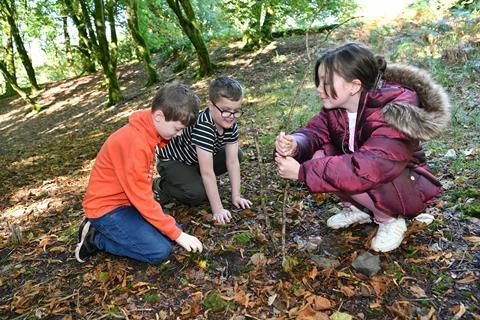
Teachers saw students’ attitudes shift, witnessed new friendships forming, and watched young people encounter wildlife for the first time and express a genuine desire to protect the natural world. These emotional and psychological bonds - ‘nature connectedness’ - shape values and behaviours long after the trip ends.
However, as child poverty rises and access to green space becomes a postcode lottery, those who could benefit most from nature are often the least able to reach it.
At YHA our mission is simple: open the door to nature, adventure and heritage for all. Achieving that requires creative, inclusive approaches from teachers and educational visits coordinators.
We know that cost is the single biggest barrier and there is no immediate solution to this problem, however there are ways to make residentials accessible:
- Prioritise affordability: work towards every child attending. Make use of support, such as YHA’s No Child Left Behind bursaries.
- Consider winter residentials: they’re more affordable, availability is better, and outcomes are just as strong.
- Keep it simple: self-led residentials using free online resources can be just as impactful. Click here to access free resources.
- Stay local: choosing providers closer to school reduces transport costs.
- Collaborate early: engage parents, SLTs and governors in the conversation from the start.
For more information about Generation Green, visit www.yha.org.uk/generationgreen.