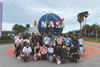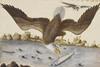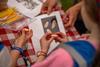
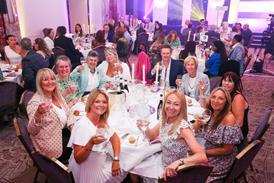
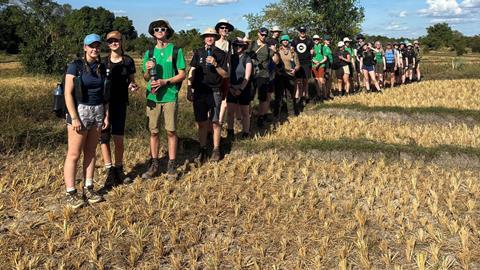

A group of KS4 and 5 pupils from Ullswater Community College took part in a “life-changing” expedition to Madagascar with Operation Wallacea. Head of geography, Dr Beth Leathers tells us more.
July 2025 saw the culmination of two years preparation and fundraising, when Ullswater Community College students waved goodbye and set off on our Operation Wallacea expedition to Madagascar.
We have run previous expeditions with Operation Wallacea (Opwall) to Mexico and Honduras, but this was a real bucket-list destination for staff and pupils alike. The ‘FUNdraising’ was a brilliant way to get to know the rest of the group and develop the responsibility of each individual on the trip.
School: Ullswater Community College, Penrith
Subjects: Biology, environmental science and modern foreign languages
KS: 4 & 5
Number of pupils: 30
As head of geography, I am always looking for ways to bring our curriculum to life and offer rich educational experiences to our wonderful students. Working across the curriculum with biology and modern foreign languages, these expeditions offer so many wonderful learning opportunities for our pupils growing up in rural England.
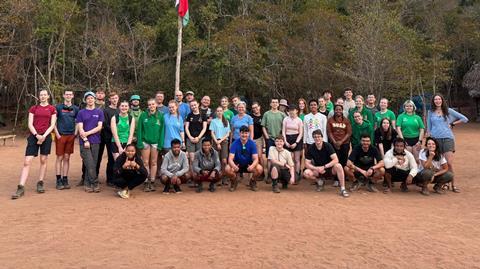
Madagascar is the fourth largest island in the world and is a long way from Cumbria. Travelling to this part of Africa took us three days and this was most definitely part of the experience.
“Being away from home, getting used to new routines, managing tiredness and eating different foods offered super social learning.”
Dr Beth Leathers.
Travelling through the countryside, from the capital city Antananarivo, highlighted many of the challenges the people of Madagascar face and an insight into why Opwall has undertaken so much research in the country. The hustle and bustle, the zebu pulling carts, council workers in their hi-viz orange jackets with pickaxes walking along the pot-holed road and the people – collecting water from pools in the riverbed, sitting outside their homes and working in the rice paddies – all a million miles away from life around Ullswater Community College.
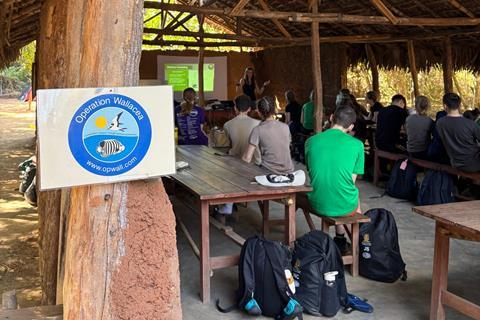
Once we arrived at the terrestrial site in Mariarano, we were greeted by the Opwall team and Mimi, the schools lead, showed us around the jungle camp. She was met with horror and some disbelief from pupils when she explained how the showers worked and what a long drop toilet actually is. No matter how much they think pupils know beforehand, the reality is just so much more real! But we all survived and the family of sifakas we shared the camp with made up for the lack of home comforts.
Once we had settled into our tents it was time to begin the science – a combination of lectures and fieldwork. UCC was split into groups of eight and we undertook our transect science with the scientists and local guides. As the same transects are used each year, the data at each location is vast. We learnt about bird calls, we processed birds caught in mist nets and pupils ringed and released them.
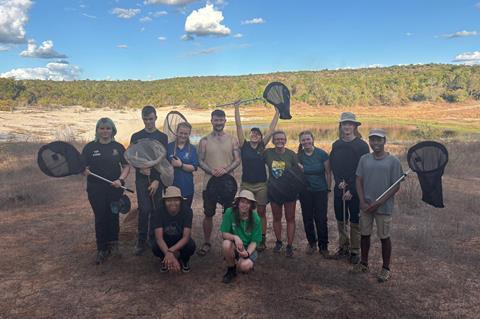
On the herpetology transect we identified and counted reptiles like snakes and chameleons. We did mammal surveys during the day and at night, and observed lemurs in their natural habitat. We undertook a habitat survey and worked out the height of trees, species and canopy cover, collected butterflies and spiders and were a small part of the longer term research team that has found a new spider species.
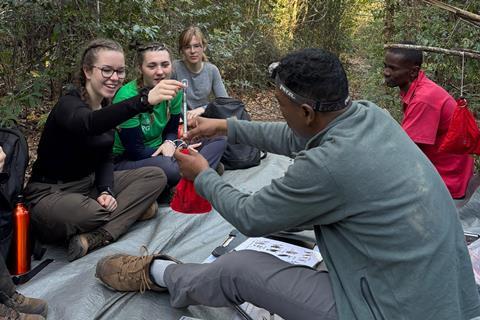
Half of the week was spent at a satellite camp called Matsedroy after a hike through the countryside and a river. It is more remote and has a different feel, but the scientific research continued. All this on top of learning some Malagasy phrases and culture, dancing and playing football with locals and eating fresh samosas from the nearby village.
We then made out way back to the capital and flew into the small island of Nosy Be for the marine week of our expedition. During this week, the groups consisted of qualified divers, snorkellers and those who were learning to dive and get their PADI certificate.
Instead of tents we settled into dorms with bunk beds and enjoyed proper toilets and showers. Then the work began – the reef ecology course and two dives/snorkels to study the fish, coral or turtle populations or the PADI course and practise dives. Going out on the dive boats with all our kit was really exciting.
The final lecture was a series of presentations delivered by UCC students about a challenge affecting the marine environment we had been studying. We had a last boat trip to Nosy Tanikely national park. The snorkelling here was incredible and it was a brilliant end to the marine week.
Expeditions with Opwall
I choose to work with Operation Wallacea because of their commitment to building sustainable links with the communities they work with and their extensive scientific research. Our pupils have gone on to study environmental science, geography and marine biology after being inspired by the academics and university dissertation students we have helped during our expeditions. Their expertise and passion is seen as cool not geeky, and the opportunity for our students to participate in this level of academic work raises aspiration and ambition.
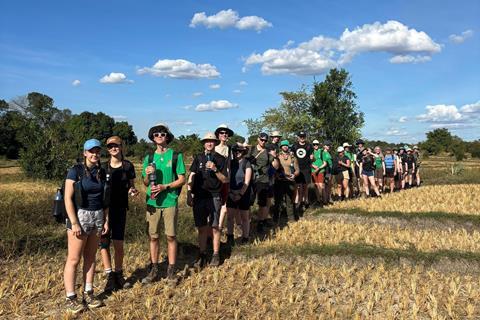
The immersive experience develops resilience, teamwork and independence. Some of our pupils had not flown before their expedition. A world literally opens up for pupils and they are right in it. I am always amazed and proud of how our students help each other out and work together to overcome challenging times. This personal growth is something all of their parents comment on after we return home.
Opwall are really helpful throughout the planning and fundraising stages and send informative videos just before departure. During the expedition the staff are professional and determined to ensure pupils and staff have an expedition to remember for all the right reasons. Their caring, positive approach and cultural sensitivity combined with the academic research offer the best possible school trip.
We have already started planning for Madagascar 2027!
For more information about Operation Wallacea, visit www.opwall.com.
Tell us about the educational visits and residentials your school has been on by emailing editorial@schooltravelorganiser.com.