




Teachers have been reacting to the news that the UK will rejoin the Erasmus+ programme providing funding for school trips to Europe.

It has been confirmed that the Government is rejoining the programme, which gives funding to pupils, teachers, school leaders and other education staff to take part in learning opportunities abroad, from 2027, a move that has been welcomed by many. The UK had withdrawn from the scheme in 2020 after Brexit, and replaced it with the Turing Scheme.
It was recently confirmed that the Turing Scheme will continue for 2026-2027 but then after that, some think it will finish, being replaced with the Erasmus+ scheme.
Teachers previously benefited from the Erasmus+ scheme, being able to secure funding for taking pupils abroad. The funding for the 2027-28 academic year will be approximately £570m.
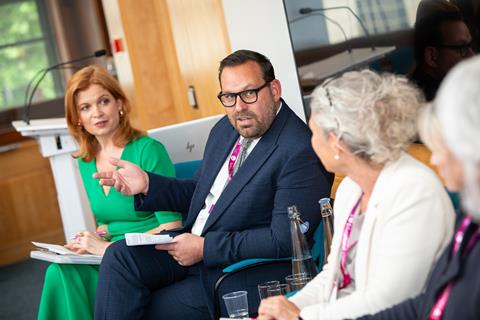
Eddie Aylett, principal at Bower Park Academy in Romford, is one of those. On the news that it is returning from 2027, he said: “Erasmus+ gives us a chance to make learning real for pupils through experiences they will remember.
“It can build confidence, widen horizons, and bring the curriculum to life in a way a classroom alone cannot. To make it work, we need to get the detail right so every child can access it safely and fairly.”
How schools can use Erasmus+
Guidance set out on the Government website states that funding is provided for schools “to take part in learning mobilities in another country”. These can involve travelling to a different country to study at a partner school, taking part in group learning activities, attending training or job shadowing.

It adds that “a class or group of pupils from a UK school can travel to a host school in another country to take part in learning activities. They will be accompanied by a teacher or another member of school staff. This type of mobility can last from 2 to 30 days.”
Applications for Erasmus+ funding must be made through your school and schools can either apply for funding directly or through a consortium of schools.
EU relations minister Nick Thomas-Symonds said that rejoining Erasmus+ was a “huge win for our young people, breaking down barriers and widening horizons to ensure everyone, from every background, has the opportunity to study and train abroad.”
For more information go to www.gov.uk/guidance/the-erasmus-programme