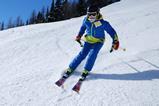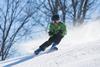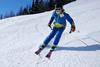




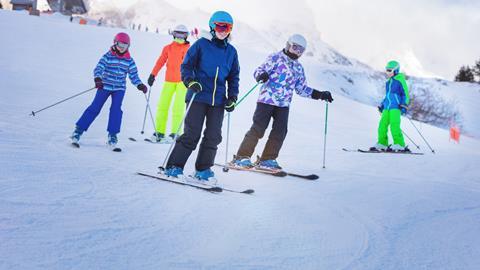

Phil Brown, programme director of the National Schools Snowsports Association (NSSA) and coach of over 40 years, takes us through his top advice to help organise a successful school ski trip.
1. Select an appropriate resort
Resorts differ. Each is more appropriate for specific standard of skiers than others. A quick and easy way to check is to look up the percentage or number of green/blue/red runs within the resort. This provides the teacher with a very clear indication on the suitability of the group for that particular resort.
2. Establish exactly what the après ski programme involves
As the local amenities and options will differ from city to city and country to country a good travel company will provide a list of available options, some with incurring extra costs.
Swimming, tobogganing and ice-skating are often additional costs due to the obvious admission charges, but many activities can also be provided in house. On- site discos, karaoke, games nights and DVD evenings can all provide exciting evenings without the need of any additional costs.
3. Think carefully before allowing parents along
The benefits are obvious – an extra pair of hands and an adult viewpoint in case of strife and trouble. This could be crucially helpful. Conversely, adults without clear expectations of the standards of accommodation (when compared to their last family holiday to the a five-star hotel in resort, for example) can at best be an unnecessary distraction and a liability at worst.
And of course as a lead teacher you are in charge. There is also the natural desire for them to share time with their children, and this may fragment the school group. There are clear advantages and disadvantages.
4. Travel insurance
The travel and ski insurance that is readily available to schools through the Local Education Authority, or sourced by an academy or private school at their privileged rates, is usually extremely good value for money. It is imperative to take advantage of these rates as soon as you lodge a deposit with the travel company. And, therefore, make a booking.
You can’t predict the future for your pupils and the law of averages suggest that for every 30 booked pupils, one will not be able to travel, usually for medical reasons.
5. Establish a contract with your pupils prior to leaving
Lunch time sessions for reinforcing your school policy are important, but a contract devised by the pupils is often a great exercise. Although you may expect pupils to try to manipulate what is acceptable in the conditions of their behaviour they can also be very fair. Far more powerful to be judged by your peers.
At the NSSA and Impulse, we have found that the best behaved schools are those with established and accepted behaviour policies. If the terms have been consulted upon between teacher and pupils prior to departure (or more importantly the sanctions!) invariably the trip will run more smoothly.
For more information about the National Schools Snowsports Association, visit schoolssnowsports.co.uk.