




A survey of more than 1,000 pupils by The Lost Gardens of Heligan has found that children are disconnected from nature but eager to learn about it and the findings are now in the hands of ministers shaping the new Natural History GCSE.
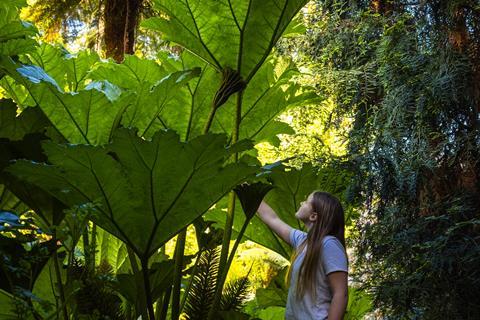
The team at the Cornish wildlife estate surveyed the children between the ages of 11–14 about their relationship with nature. The research was intended to gauge views on the proposed changes to the name and content of the Natural History GCSE, but the results provided a broader picture.
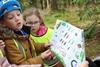
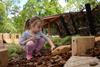
More than half of the children surveyed said they had never climbed a tree, while six in 10 said they learn best through a mix of indoor and outdoor lessons, which many would choose if available in their schools.
The Lost Gardens is now calling for practical fieldwork to be central to the revised GCSE, in the hope of fuelling young people’s interest in nature.
Key findings from The Lost Gardens
Research revealed that many children have little direct experience of the natural world, with nine in 10 having never learned to recognise birds by sight or sound.
Throughout Heligan’s research, the most popular learning activities included trips to the beach, woods, farm and nature reserves.
Co-founder of The Lost Garden of Heligan, Sir Tim Smit said: “A generation growing up with so little direct experience of nature is telling us it wants to learn about it. We should listen.
“Nature is not a collection of dusty specimens behind glass. It is the air in our lungs, the food on our plates and the living system that holds our future together. Young people are not spectators standing outside it, they are part of it and deserve an education that makes that real.”
Stats and figures of surveyed children
| Activities | Proportion of children who haven’t completed the activity |
|---|---|
|
Built a treehouse |
93% |
|
Learnt to recognise different birds by sight or sound |
90% |
|
Followed animal tracks or looked for signs of wildlife |
90% |
|
Gone birdwatching |
88% |
|
Gone pond dipping |
87% |
|
Caught tadpoles or watched frogspawn develop |
85% |
|
Planted a tree |
83% |
|
Made mud pies |
81% |
|
Made a bug hotel |
81% |
|
Pressed flowers or leaves |
80% |
|
Made a bird feeder |
79% |
|
Followed a map or compass outdoors |
78% |
|
Identified a wildflower, tree, animal, bird or insect |
78% |
|
Built a den from branches, leaves or other natural materials |
77% |
|
Gone rock pooling |
77% |
|
Made a daisy chain |
70% |
|
Picked blackberries or other wild fruits |
64% |
|
Climbed a tree |
55% |
|
Collected conkers |
61% |
About the proposed GCSE
The government launched its consultation in June, seeking views on the content of a new Natural History GCSE in England. The proposed qualification will cover plants, animals, habitats and human influences, supported by sustained fieldwork.
In the survey by The Lost Gardens of Heligan, 34% of children said they would definitely choose the Natural History GCSE if their school offered it, while a further 41% said they probably would.
When children aged 11 to 14 were asked what came to mind when they heard Natural History their three most common associations were fossils and dinosaurs, chosen by 48%, museums at 45% and animals and wildlife at 43%.
This has sparked the gardens to ask the government to rename the qualification Natural Futures, before its subject content is finalised.
Natural Futures produced a very different response in the survey: 55% associated it with the future of the planet, 37% with protecting nature and 30% with climate change.
Find out more about the research findings here.