





Disadvantaged children and those with SEND are most likely to miss out in England due to funding, staffing and transport barriers, according to new findings.

The All-Party Parliamentary Group (APPG) for Outdoor Learning’s Access and Equity Report has found that opportunities for outdoor learning in England are uneven, despite it being widely recognised as valuable for children’s education, wellbeing and personal development.
The Outdoor Learning: Access and Equity - Participation, Barriers and Opportunities report is said to be one of the most comprehensive assessments of outdoor learning participation and equity in England, taking into account evidence from national participation datasets, programme evaluations, academic research and the first APPG for Outdoor Learning Access and Equity Survey.
A new primary challenge
The report’s findings suggest that the main challenge facing the sector is ensuring that all children and young people have equal access to outdoor learning, rather than proving the value in it.
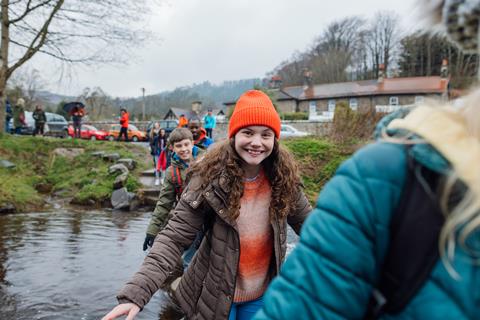
It has been found that participation becomes less equal as outdoor learning opportunities become more resource-intensive. Residential experiences are a key point where significant decline is noted.
Children and young people experiencing socioeconomic disadvantage, those with special educational needs and disabilities (SEND), and those attending settings with limited organisational capacity are disproportionately affected.
What is the APPG for Outdoor Learning?
Relaunched in May 2025, the APPG for Outdoor Learning is a group of cross-party MPs and Lords campaigning for greater access to and opportunities for learning in nature for children and young people across the UK.
Tim Farron, Liberal Democrats MP for Westmorland and Lonsdale, serves as the group’s chairman.
Access blocked rather than lack of interest
Evidence from the report suggests that demand for outdoor learning is strong and that the barriers preventing children from accessing these opportunities primarily come from the ability of schools, youth organisations and providers to deliver them rather than from a lack of interest among children, young people or families.
The five main barriers to access were identified as:
- Funding and affordability
- Staffing capacity
- Transport costs and availability
- Organisational workload and competing priorities
- Workforce confidence and capability
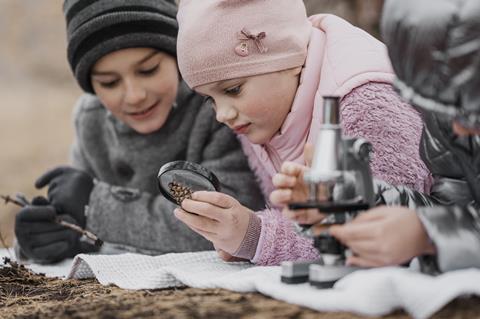
Tim Farron MP, chair of the All-Party Parliamentary Group for Outdoor Learning, said: “Outdoor learning is vital to the educational, emotional and physical wellbeing of our young people. This report clearly demonstrates that our principal challenge is no longer in demonstrating the value of outdoor learning. The challenge is ensuring that access to its benefits is consistently and equitably realised.
“It is a tragedy that so many children miss out on these experiences. We must work together to bring down the barriers to outdoor learning so that every child can experience the joys of nature, build confidence and capability, and widen their horizons.”
Long-term change needed
While some targeted initiatives have shown success in improving inequality in participation among under-represented groups, such as Adventures Away from Home and Generation Green, the report highlights the need for sustained, system-wide change to deliver long-term results.
A strengthening in outdoor learning provision is expected through the Government’s proposed Enrichment Framework, but the report’s findings suggest that entitling pupils to outdoor learning won’t necessarily result in equal participation. Instead, investment in workforce capacity, organisational support and participation infrastructure will be essential to improve access for all.
Find the full report below. For more information about the APPG for Outdoor Learning, click here.
Downloads
APPG OL Access and Equity Report October 2026
PDF, Size 1.42 mb



No comments yet