
From international Turing Scheme visits to local coastal fieldwork, these six outstanding school trips demonstrate the profound and lasting impact that well-planned educational visits can have on pupils’ confidence, attainment and horizons.
The ‘My Best School Trip’ Award is about recognising how high-quality learning outside the classroom can enrich pupils’ experiences, support a wide range of educational objectives and help bring learning to life back at school.
Once again, this year’s finalists show how carefully planned visits can create meaningful, long-lasting benefits for pupils and staff alike.
The winner will be announced at the School Travel Awards ceremony, which will be held at the five-star Royal Lancaster Hotel in London on Friday 20th November.
The finalists for the ‘My Best School Trip’ Award 2026
Our judging panel reviewed a strong shortlist of entries and selected five outstanding finalists, as well as the overall winner.
Once again, the judges were impressed by the exceptionally high standard of submissions and thoroughly enjoyed reading about the inspiring experiences schools have provided for their pupils.
Here, we take a look at the six finalists…
Baxter College, Worcestershire, for their Key Stage 3 - 4 trip to Toronto, Canada
Entered by: Kate Kendall, curriculum enrichment coordinator.
The six day trip to Canada was the school’s second successful Turing Scheme visit (they went to India in 2025) and they wanted to build upon the experience students had of exploring countries through the Commonwealth.
It was the first time abroad for many of the group, which included a high number from disadvantaged backgrounds and students with SEND.
Kate said: “By successfully navigating a brand-new international city, managing their schedules, and sharing these new experiences alongside their teachers and peers, the students spent their days actively developing teamwork, resilience, and personal confidence.”
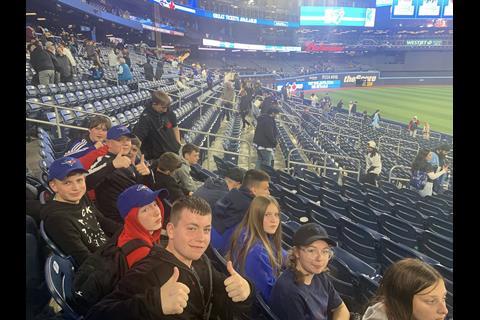
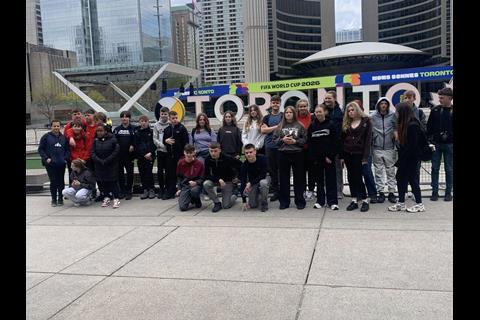
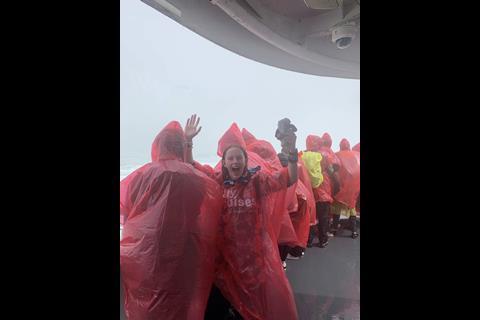
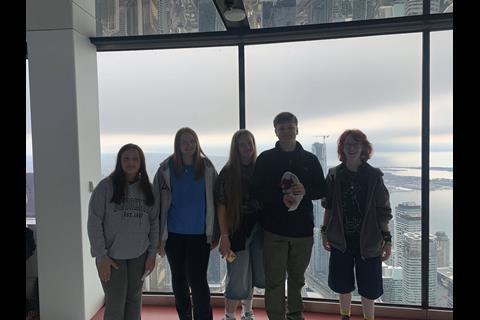
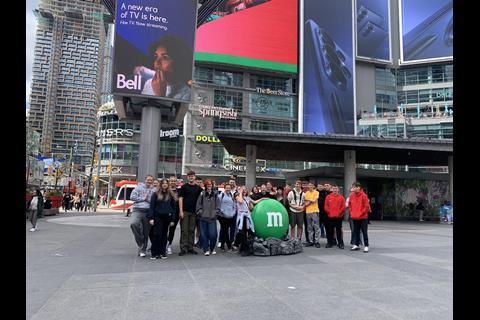
The itinerary combined iconic attractions, cultural experiences and curriculum-linked learning. Students explored Niagara Falls, visited the CN Tower, Royal Ontario Museum, Ripley’s Aquarium and the Hockey Hall of Fame, while also enjoying a Toronto Blue Jays baseball game and guided walks through the city’s diverse neighbourhoods. These experiences brought topics such as geography, citizenship, globalisation and multiculturalism to life.
“Our school trip to Toronto was an unforgettable experience and definitely one of the best trips I’ve been on. Some great laughs and memories made that I will cherish for a long time.”
Pupil comment
Inclusivity was at the heart of the planning process, with funding helping to remove financial barriers and extensive preparation ensuring students with SEND were fully supported. Before departure, students took part in sessions covering Canadian culture, budgeting, teamwork and travel safety.
Back at school, the learning was embedded through reflection activities, presentations and curriculum links across geography, PSHE and careers education.
The impact was evident in students’ increased independence, confidence and global awareness, with many expressing new ambitions around higher education, travel and future career opportunities. The trip successfully helped students see themselves as capable global citizens ready to embrace new opportunities.
Bradford College, West Yorkshire, for their Key Stage 5 STEM trip to Texas and Florida, USA
Entered by: Andrew Ridley-Ellis, head of school science.
Funded through the Turing Scheme and college support, this STEM-focused trip was completely free, removing financial barriers for many participants, some of whom had never travelled abroad or even held a passport.
Andrew said: “One of the greatest things to come from this trip was students realising the crossover and links between all STEM subjects. Although curriculum needs to be taught separately in college, organisations like NASA need multidisciplinary specialists, from materials scientists working on rocket design to nutritionists supporting astronauts.”
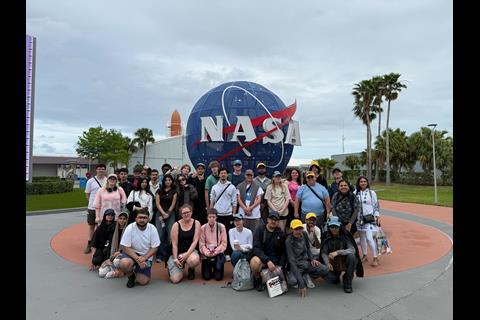
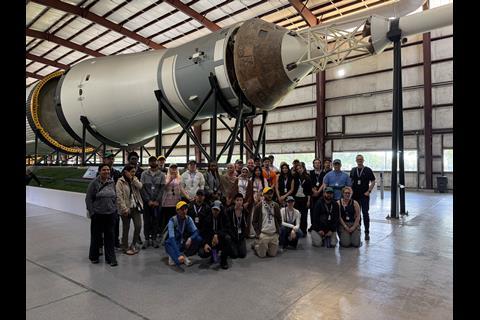
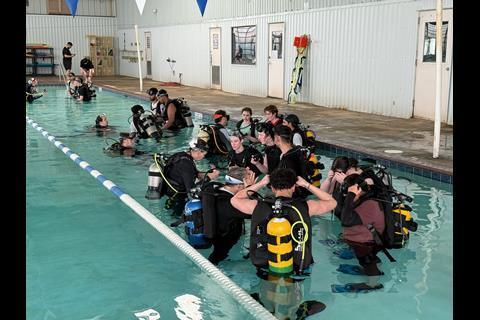
The journey began with a week at NASA University at the Johnson Space Center in Houston, where the 30 students worked in teams on a series of engineering and problem-solving challenges. They designed rockets, heat shields, Mars habitats and programmable rovers, while also taking part in astronaut-style scuba training. Students explored historic mission control, saw the Saturn V rocket and witnessed astronauts training for future missions.
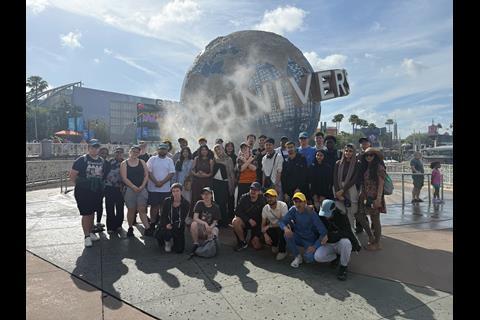
The experience continued with environmental studies at a nature reserve before moving to Orlando for educational programmes at Universal Studios, where students learned about rollercoaster engineering and autonomous ride technology.
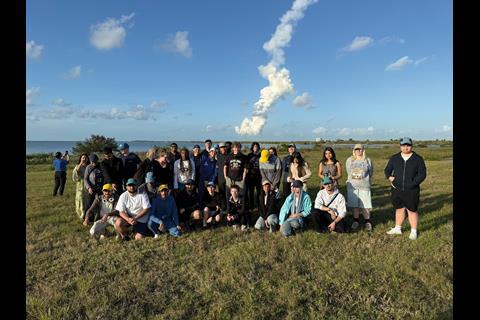
Highlights included an airboat tour of Boggy Creek, a visit to Kennedy Space Center and the unforgettable opportunity to witness the launch of Artemis II from just nine miles away.
“I have never really travelled abroad before so it was a whole new experience for me as I never really imagined going to America, but it was an incredible experience.”
Pupil comment
Carefully planned to promote inclusivity and personal development, the trip helped students build resilience, communication and teamwork skills.
Follow-up reflections and staff observations demonstrated significant growth in confidence and ambition, with many students gaining a new appreciation of STEM careers and higher education opportunities they had previously thought unattainable.
Bredon Hill Academy, Worcestershire, for their Key Stage 3 art visit to Compton Verney in Warwickshire
Entered by: teacher Damian McDonald.
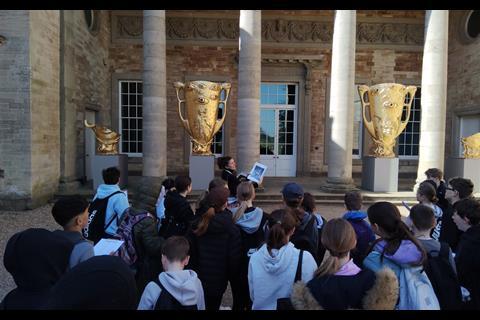
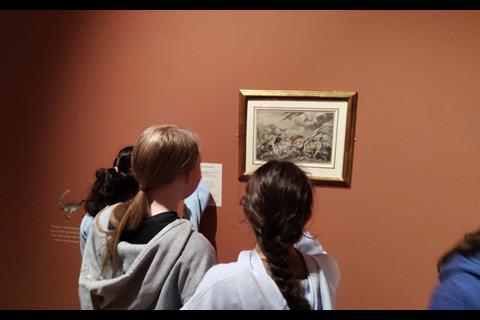
This annual art-focused visit to Compton Verney in Warwickshire gave 160 Year 7 pupils the opportunity to engage with professional artworks, develop practical creative skills and experience art beyond the classroom. Accompanied by nine staff members, students took part in three hands-on workshops designed to complement and enhance their school curriculum.
Mr McDonald said: “‘Can we go back next year sir?’ sticks in my mind, being asked within days of pupils attending the trip, and it is not the first time this has happened. The level of engagement spoke for itself, how the guides could hold their attention and create enthusiasm.”
Pupils explored the gallery’s exhibition Bruegel to Rembrandt: Drawing Life, Sketching Wonder, studying the techniques of Dutch and Flemish artists before creating their own observational drawings outdoors using pencils, charcoal and pastels.
Inspired by the British Folk Art collection and the work of artist Mark Hearld, they also produced collage pieces based on exhibits in the gallery. A third workshop, Sculpture in the Park, encouraged students to observe, analyse and sketch outdoor sculptures before designing and constructing their own three-dimensional artwork.
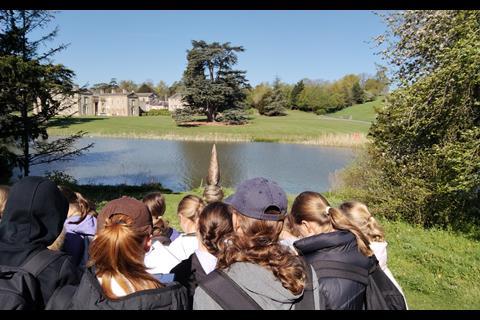
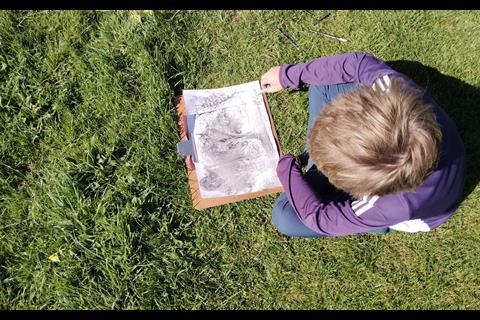
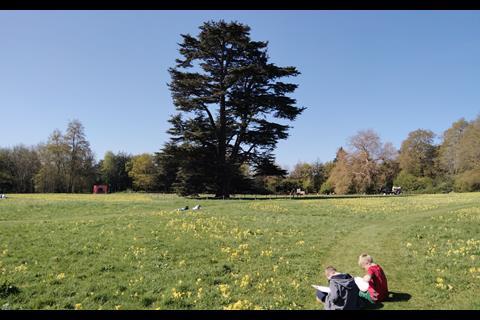
The trip was carefully planned to support curricular learning around composition, drawing, collage and environmental themes. It also played a key role in preparing students for a major school art project focused on sustainability and climate change.
Affordability and inclusivity were prioritised, with financial support available for eligible pupils and tailored support provided where needed, resulting in almost full participation.
“I thought it was really interesting, all the different types of art and pieces from different times and seeing similarities and differences.”
Pupil comment
Back at school, students applied techniques and ideas developed during the visit to their coursework. Feedback, questionnaires and staff observations demonstrated exceptionally high levels of engagement, creativity and enthusiasm, with many pupils expressing a renewed interest in visiting galleries and exploring art more independently in the future.
Featherstone Primary School, Middlesex, for their Key Stage 2 residential to Sayers Croft Field Centre in Surrey
Entered by: Graham Cooksey, deputy headteacher.
For the Year 6 children from Southall, this five-day trip offered a rare chance to explore the countryside and engage with the natural world. It also provided an opportunity to develop independence before starting secondary school.
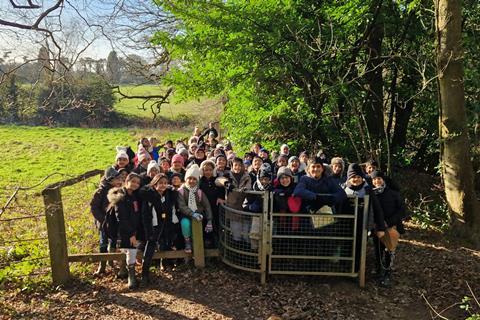
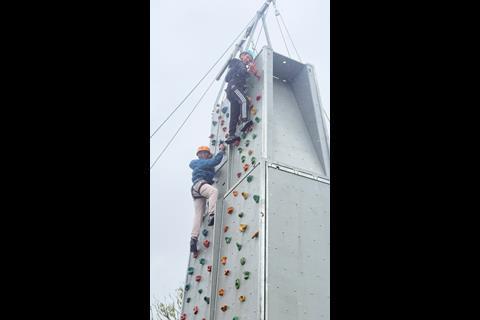
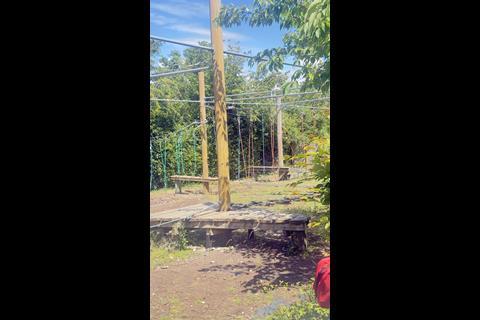
Led by specialist instructors, pupils took part in a wide range of adventurous activities, including archery, climbing, high ropes, zip wiring, orienteering and shelter building. They also explored the Surrey Hills, completing a challenging trek to Pitch Hill that encouraged resilience and teamwork.
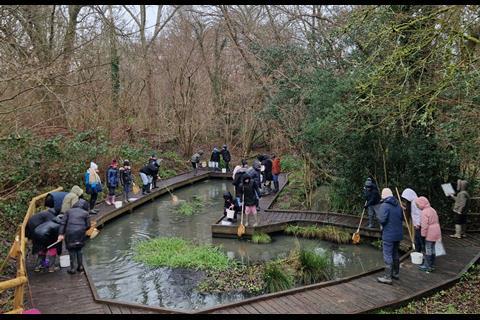
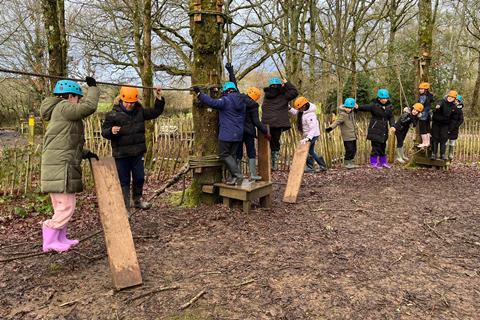
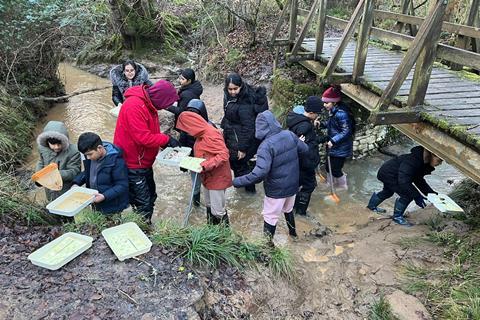
Mr Cooksey said: “Beyond formal academics, the trip actively redefined our relationships with pupils. Shared memories such as roasting marshmallows for the first time or conquering personal fears on the instructor-led adventure courses are dynamically leveraged by staff to encourage peer collaboration.”
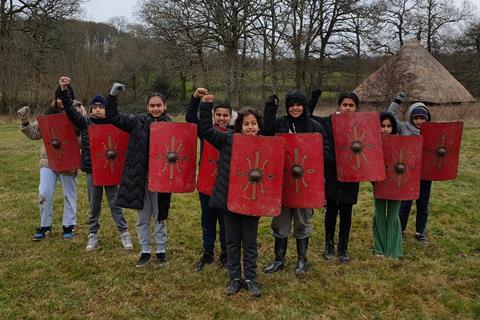
Curriculum learning was brought to life through practical fieldwork, with pupils conducting river studies, kick-sampling for aquatic wildlife and investigating local habitats. Historical learning was enhanced through visits to a replica Celtic hut, Roman artefacts and an authentic World War Two bomb shelter linked to the site’s evacuation history.
“Going to Sayers Croft was the best week ever. The transition from the bustling streets of Southall to the vast woodlands of Sayers Croft was unreal.”
Pupil comment
Inclusivity and affordability were central to the planning, with bursary support, school subsidies and flexible payment plans helping achieve full participation.
Back at school, pupils used their experiences to enrich work in geography, science, history and English.
Staff observed significant improvements in confidence, independence, collaboration and descriptive writing, while pupils demonstrated greater resilience, stronger friendships and a deeper appreciation of the world beyond their local community.
Chestnut Park Primary School, London for their Key Stage 2 residential to Henley Fort Outdoor Education Centre in Surrey
Entered by: Nicola Brotherton (fundraising officer) and Emily Kirkpatrick (operations manager).
This two-night residential visit to Henley Fort Outdoor Education Centre provided 65 Year 6 pupils with a transformative outdoor learning experience, helping them develop confidence, resilience and independence as they prepared for the transition to secondary school.
For many pupils, who live in densely populated urban environments with limited access to green space, the trip offered a rare opportunity to immerse themselves in nature and step beyond their everyday experiences.
In their entry, Nicola and Emily commented: “The impact was significant, with students demonstrating increased confidence, greater resilience and stronger peer relationships. All of which will support their transition to secondary school and their future personal development.”
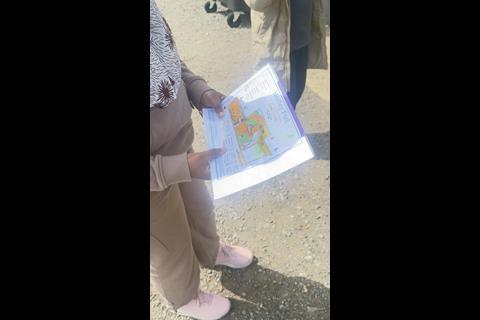
The adventure began with a hike from Guildford into the Surrey Hills, encouraging teamwork, perseverance and physical endurance. Pupils stayed in yurts and took part in a range of activities including archery, climbing and woodland skills, each designed to build self-confidence, problem-solving abilities and resilience. A particular highlight was an evening walk beneath dark, unpolluted skies, giving many children their first experience of seeing the stars clearly and providing a chance for reflection and mindfulness.
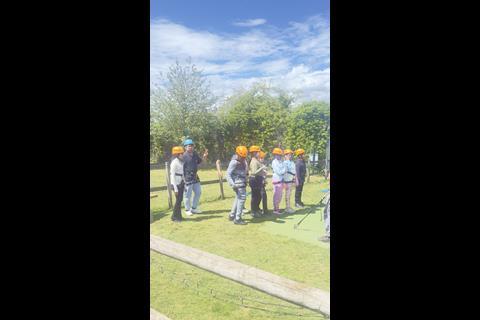
Inclusivity and affordability were central to the planning. Extensive support was provided for pupils with SEND, those with English as an Additional Language, and families facing financial challenges. Subsidies, grants and flexible payment plans ensured that cost was not a barrier to participation.
“I’ve never been anywhere so quiet before. Being surrounded by trees and walking in nature made me feel happier and less stressed.”
Pupil comment
Back at school, pupils shared their experiences through assemblies, displays and transition activities. Staff observed significant improvements in confidence, independence, teamwork and adaptability, while pupil feedback highlighted increased self-belief and pride in their achievements. The trip successfully broadened horizons and equipped pupils with skills that will support them long into the future.
St Basil’s Catholic Primary School, Cheshire for their Key Stage 2 geography trip to Hightown in Merseyside
Entered by: Andrew Wood, educational visits coordinator.
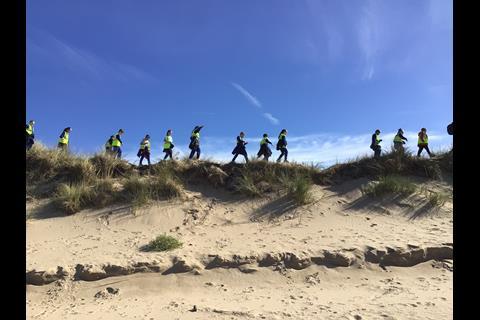
A key feature of this geography fieldwork visit to Hightown, near Crosby, was the journey itself. A total of 79 Year 5 and 6 pupils travelled by train and navigated Liverpool’s rail network, with many using public transport independently for the first time.
Designed as part of the school’s Coasts of the UK curriculum, the trip combined hands-on geographical investigation with valuable real-world experiences.
Mr Wood said: “For some of our pupils, the coast isn’t a holiday memory but an entirely unknown setting. So, in our careful planning of this curriculum linked visit, 79 children not only stood on the shoreline to gain first-hand experience, but also navigated a complex rail network, tested coastal defences with their own hands, and began to see themselves as geographers, explorers, and confident young people with access to the wider world.”
Once at Hightown, they took part in a range of structured activities on the beach and surrounding sand dunes. These included investigating coastal erosion and sea defences, exploring dune systems and the role of marram grass in stabilising the coastline, and participating in team-building and outdoor learning activities.
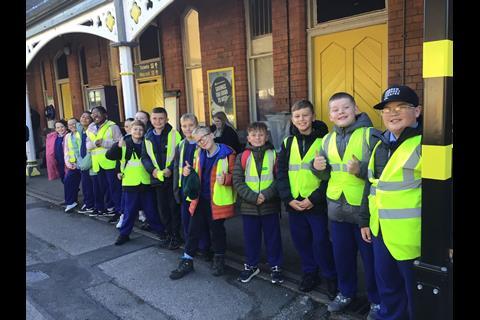
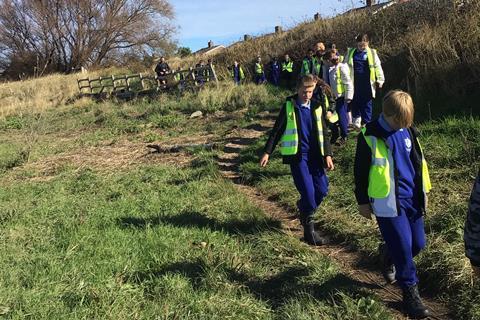
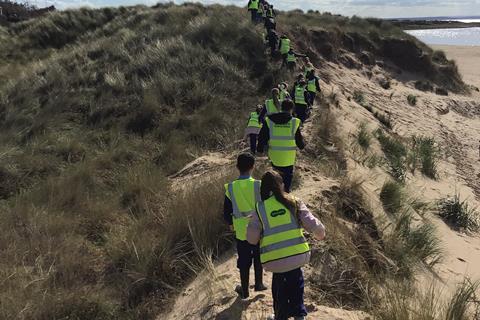
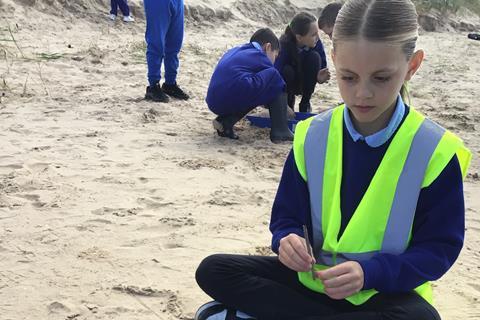
The trip was carefully planned to be affordable and inclusive, with train travel helping to reduce costs while adding an extra dimension to the learning experience. For a significant number of pupils, it was their first visit to the coast, broadening their understanding of the wider world beyond their local community.
“At Hightown beach, we learned about sea defences by placing marram grass and other natural materials in a tray with stand. Then, water was added to see if it would hold… what we learnt on our trip helped us with our topic, it was an amazing day and I would go again.”
Pupil comment
Back in school, pupils built on their fieldwork through map analysis, historical coastline studies and cross-curricular links with history and environmental topics.
Staff observed notable improvements in geographical vocabulary, analytical thinking and confidence, while feedback demonstrated that the experience had a lasting impact on both learning and personal development.
Thank you to everybody who entered a trip and took part in the 2026 ‘My Best School Trip’ Award, and congratulations to our six finalists.
Also a big thank you to this year’s judges who were:
- Peter Carne, OBE, Learning Outside the Classroom (LOtC) Manifesto Champion
- Gill Harvey, external affairs and membership director, School Travel Forum
- Anne Hunt, chief executive officer of the Council for Learning Outside the Classroom
- Keeley Rodgers, editor, School Travel Organiser
- Rob Yandell, publisher, School Travel Organiser
The winner will be announced at the School Travel Awards ceremony on Friday 20th November at the Royal Lancaster Hotel, London.
For schools interested in entering next time, head to our ‘My Best School Trip’ Award page for more information, and make sure you’re subscribed to our free newsletter to stay up to date.