


From new books on rocketry and space exploration to hands-on STEM workshops and virtual classroom sessions, the National Space Centre is giving teachers and pupils more ways than ever to explore the universe.
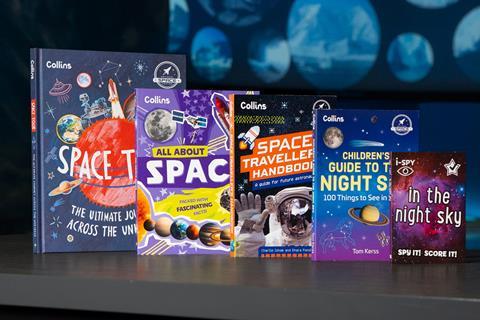
Known as the UK’s largest visitor attraction dedicated to space, the National Space Centre welcomes thousands of school pupils each year for curriculum-linked workshops, planetarium shows and interactive exhibitions. The latest books, Explore: Space, Rocket Science and The Space Traveller’s Handbook, complement the centre’s hands-on learning programme and provide additional resources for teachers and students.
Since 2023, the Discovery Team has written six children’s books covering topics including the solar system, rocketry and the future of space exploration. Other titles in the series include The Solar System: Discover the Mysteries of Our Sun and Neighbouring Planets, Amazing Space and Space Tour: The Ultimate Journey Across the Universe.
Charlotte Isham, discovery director and co-author, said: “Our role is to help make space accessible and exciting. Whether we’re speaking to visitors, working with schools or writing books, the aim is always the same: to spark curiosity and help people understand the incredible universe around them.”
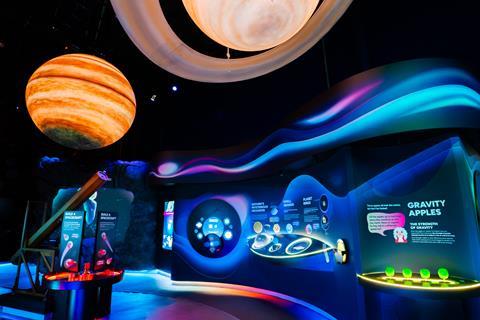
School trips to the Centre
Learners can explore the six interactive galleries on offer, as well as booking the STEM-focused workshops, presenter-led planetarium shows and live talks.
A variety of workshops are available to book, including Diary of an Astronaut, Mars Rover Coding and Satellites, giving students an in-depth look at life beyond our universe. The Centre’s workshops are suitable for Key Stages 1-4.
Since opening its doors in 2001, the Centre has welcomed almost six million visitors, of which 1.5 million were school children. School groups can see their learning come to life through cross-curricular activities, centred on science, technology, engineering, maths and PSHE.
For those unable to visit in person, virtual experiences are available, offering bespoke or pre-planned programmes across a range of subjects, streamed live into the classroom.
Find out more information on school trips, visit https://education.spacecentre.co.uk/.